


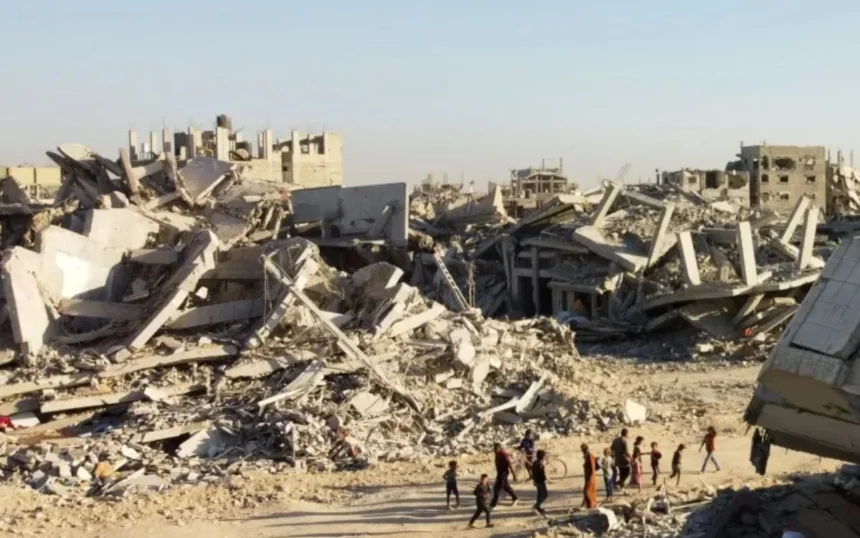
The European Union is experiencing mounting pressure to suspend its Association Agreement with Israel, a trade deal worth billions of euros annually. As reported by Al Jazeera, foreign ministers convened to evaluate the bloc’s relations with Israel amid concerns over actions in Gaza and the West Bank. According to Press TV correspondent Jerome Hughes in Brussels, campaigners criticize the EU for failing to address alleged crimes against humanity by Israel.
Three EU member states—Spain, Slovenia, and Ireland—have formally urged reconsideration of the agreement. This push highlights growing European concerns about human rights violations in Palestinian territories. Belgian Foreign Minister Maxime Prevot stated that Brussels supports at least a partial suspension, though full suspension appears unlikely due to differing member state positions.
What Are the Reactions?
Over 60 human rights organizations, including Amnesty International and Human Rights Watch, issued a joint statement to European Commission President Ursula von der Leyen. They called for suspending the EU-Israel Association Agreement, banning trade with illegal settlements, and halting arms transfers. EU foreign policy chief Kaja Kallas has confirmed punitive measures are under discussion, but consensus remains elusive with opposition from Germany, Italy, and Hungary.
Supporting Details
The Association Agreement grants Israel preferential market access, including tariff-free exports like agricultural products. According to WION News, the European Commission’s proposal targets trade concessions linked to the Gaza conflict. Times Now World reports that calls for suspension stem from alleged violations of international law in Gaza, the West Bank, and Lebanon.
What Lies Ahead?
Divisions within the EU bloc complicate approval of any suspension, as noted by multiple outlets. The ongoing review of Article 2—requiring respect for human rights and democratic principles—could lead to unilateral EU action if breaches are confirmed. Developments hinge on foreign ministers’ deliberations and potential sanctions on Israeli officials or settlers.
European Union nations continue debating the trade deal’s future amid heightened scrutiny of Israel’s conduct, with partial measures under active consideration despite internal rifts.
Found this place through a friend and it did not disappoint. The variety of options is amazing and it feels very secure. Give phjljl18 a try
Simply the best slot site I have used this year. The jackpot hits are frequent at jljl555slot and it feels very rewarding.
Best betting experience I have had in a while. Everything is transparent and the odds are quite competitive. Big thumbs up for br442bet.
Finally found a site that doesn’t lag during big games. The customer support is actually helpful and responsive. Great experience so far on idkantorbola.
Super smooth gameplay and the graphics are amazing. It feels very professional and safe. I am really enjoying my time on this platform. jililovelogin