


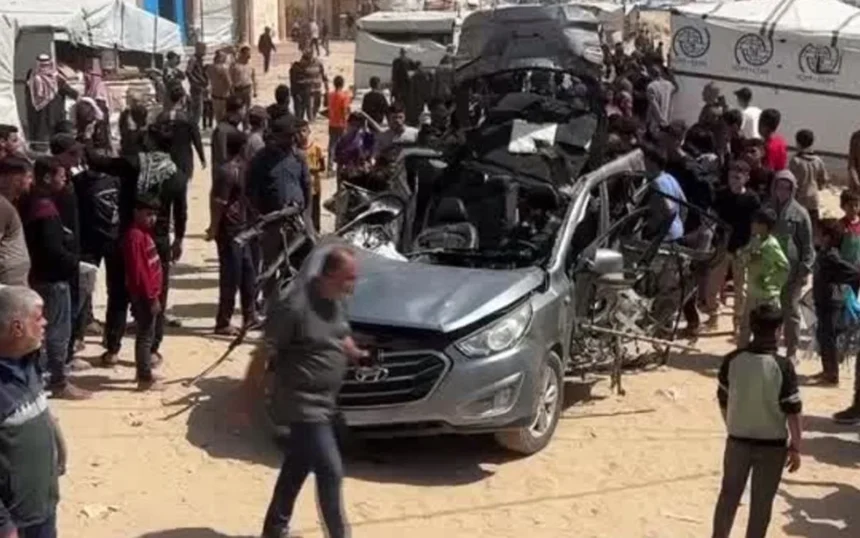
Deadly Israeli strikes in Gaza have once again exposed how fragile the ceasefire arrangement remains, with reported killings and injuries adding to fears that the truce could unravel. Coverage from Reuters and other major outlets has described the latest violence as a sharp reminder that the situation remains volatile despite the existence of a truce.
According to Reuters, the strikes followed a period in which the ceasefire was already under strain from repeated accusations of violations and slow movement on the exchange of hostages’ remains. The latest escalation has intensified concerns that even limited military actions can quickly destabilize an already uncertain agreement.
What happened in Gaza?
Reuters’ video report says the strikes in Gaza underscore the truce’s fragility at a moment when both sides are under pressure to maintain the ceasefire framework. Related reporting from other outlets has said Israeli attacks in Gaza have continued to produce casualties despite the ceasefire, with local officials and regional media describing repeated breaches.
The broader context, as summarized by Reuters-linked reporting, is that the truce was meant to slow or halt the fighting while diplomatic efforts continued. Instead, each new exchange of fire has raised fresh doubts about whether the ceasefire can hold.
Context and reactions
How are officials describing the truce?
According to Reuters, the strikes followed disputes tied to the return of hostages’ bodies and separate claims over compliance with the ceasefire terms. That reporting suggests the arrangement has remained vulnerable to both battlefield events and political pressure.
Other outlets have described the ceasefire as “fragile” and warned that the latest strikes could threaten broader efforts to keep the agreement intact. Regional coverage has also noted that civilian casualties have continued during ceasefire periods, fueling anger and uncertainty among Palestinians.
Supporting details
Why does this matter now?
The central concern is not only the immediate toll of the strikes, but also what they signal about the durability of the truce. Reuters’ account indicates that the latest violence came amid ongoing tension over hostage remains and the enforcement of ceasefire conditions.
That matters because ceasefires depend on restraint from both sides and on sustained external pressure to keep negotiations moving. When strikes resume, even briefly, they can quickly reset the political environment and weaken confidence in further talks.
Implications and next steps
What could happen next?
Based on Reuters’ reporting, the immediate implication is that the ceasefire remains vulnerable to further breakdown if either side responds militarily or if negotiations stall. Continued accusations of violations could make it harder for mediators to preserve the truce.
The reporting also points to a broader risk: each new strike may harden positions and reduce room for compromise, especially if civilian casualties continue to mount. At this stage, the key question is whether diplomatic pressure can keep the truce alive long enough for more durable arrangements to emerge.
The latest strikes have not resolved the conflict or stabilized the ceasefire; instead, they have reinforced how quickly the situation in Gaza can turn dangerous again.
The graphics are top notch and the gameplay is just addictive. I’ve won a couple of times already today! Check out phperyaplus if you want some real excitement.
Best place for those who love a good challenge. The community is great and the rewards are legit. I’m staying with vnxoxo88 for a long time.
I love how fair the odds are on this platform. It gives me a lot more confidence in my bets. I’ll be sticking with br456betsim for a long time.