


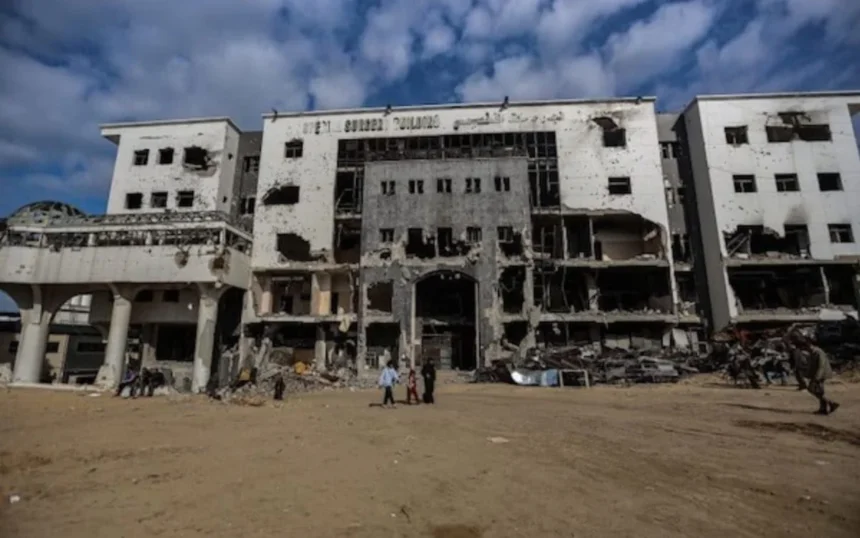
Reporting on Gaza’s public health emergency has increasingly focused on the spread of infectious diseases amid collapsed sanitation, damaged hospitals, and severe shortages of medicines and supplies. According to Mondoweiss, infectious disease specialist Dr. Salman Khan visited Gaza during a three-week medical mission in February 2026 and observed that antibiotic supplies were severely limited, with availability often changing week to week based on donated stock from the World Health Organization.
The same reporting says patients were dying from infections that would often be treatable elsewhere, because delays and shortages prevented effective antibiotic therapy. It also describes how the destruction of laboratory infrastructure and supply restrictions made it difficult to test, monitor, and respond to outbreaks.
A separate review on Gaza’s health crisis in the medical literature reported rising respiratory illness, diarrhea, and chickenpox, alongside concern about cholera and other epidemics. That report linked the spread of disease to contaminated water, overcrowding, and poor hygiene conditions.
What the reporting says
According to Mondoweiss, the collapse of health care, overcrowding around hospitals, and the breakdown of sanitation systems have helped multidrug-resistant bacteria spread more easily in Gaza. The outlet also reported that infection prevention became far more difficult after assaults on hospitals and surrounding areas left facilities overwhelmed and short of basic hygiene materials.
The article says laboratory capacity has been severely constrained, limiting culture testing and antibiotic susceptibility testing that would normally guide treatment. It adds that surveillance and outbreak response have also been weakened, making public health control more difficult.
The broader health literature echoes those concerns. A medical review published in 2024 said respiratory infections, diarrhea, and chickenpox were increasing in Gaza and warned of possible wider epidemics if water and sanitation conditions continued to deteriorate. Another 2025 analysis in The Lancet reported sharp increases in acute watery diarrhea, bloody diarrhea, and acute jaundice syndrome during the conflict period.
Context and reactions
How are doctors describing the crisis?
The available reporting frames the issue as a combined effect of war damage, shortages, and blocked health system functions rather than a single outbreak event. Mondoweiss quotes Dr. Salman Khan describing severe limits on antibiotics and laboratory tools, while also noting that treatable infections were becoming lethal because care came too late.
What are health researchers warning?
Medical and public health sources say the danger is not only immediate infection, but also the loss of ordinary disease control systems. The 2024 health review warns that crowded shelters and contaminated water create ideal conditions for outbreaks. The Lancet analysis similarly shows that disease burdens escalated as the war continued and infrastructure failed.
Why does this matter beyond Gaza?
The reporting suggests Gaza’s crisis has implications for antimicrobial resistance, outbreak surveillance, and emergency medical preparedness in prolonged conflict settings. When testing, sanitation, and treatment all weaken at once, common infections can become harder to track and harder to treat.
Supporting details
The infectious disease risks reported in Gaza include diarrheal illness, respiratory infections, chickenpox, scabies, and other skin diseases. ReliefWeb summarized a surge in skin diseases, including chickenpox and scabies, and also noted confirmed hepatitis C cases, though it said the exact scope of spread was difficult to determine because testing was limited.
The Lancet analysis provided specific trends, including a 24-fold increase in bloody diarrhea and a large rise in acute jaundice syndrome, a marker associated with hepatitis A. It also reported that children younger than 5 accounted for a majority of acute watery diarrhea cases in 2025.
These reports do not describe a single weapon in the conventional sense. Instead, they document how wartime conditions can turn disease itself into a mass-casualty threat when clean water, medicines, diagnostics, and functioning hospitals are no longer reliably available.
What comes next?
What developments are likely to shape the situation?
The reporting suggests the key variables are access to medicines, restoration of hospital and laboratory capacity, and improvement in sanitation and water systems. Without those changes, infectious disease outbreaks are likely to remain difficult to control, and antibiotic resistance may continue to worsen.
The Lancet analysis and public health reviews indicate that the disease burden has already changed significantly during the war, especially among young children and displaced families. Any future improvement will depend on whether humanitarian access and health infrastructure recovery can keep pace with continuing displacement and destruction.
Headline-driven article
How Israel is weaponizing infectious diseases in Gaza
The health emergency in Gaza has evolved into a crisis in which infections, untreated wounds, and collapsing sanitation are increasingly intertwined. Verified reporting shows that limited antibiotics, damaged laboratories, overcrowded hospitals, and contaminated water have helped ordinary infections become much more dangerous.
According to Mondoweiss, infectious disease specialist Dr. Salman Khan found that antibiotic availability in Gaza was unstable and often dependent on donated supplies. The same report says delays in treatment were contributing to preventable deaths from infections that would often be manageable in other settings.
Medical literature and humanitarian reporting add that respiratory infections, diarrhea, chickenpox, scabies, and other skin diseases have spread under conditions of displacement and severe overcrowding. The Lancet reported major increases in diarrheal disease and acute jaundice syndrome during the conflict.
The central risk now is that disease control systems themselves have broken down. That means outbreaks are harder to detect, harder to isolate, and harder to treat before they spread further.
Finally found a stable link to get the app. The installation was super smooth and the interface is very user-friendly. Highly recommend checking out gperyadownloadapp for a better experience.
Finding a reliable hub for Asian handicap action has been a breeze since I discovered this spot. The odds feel fair and the layout makes it so easy to follow the matches without any confusion. It really feels like having a trusted companion by your side during every game. Explore echandicapasiatico and enjoy the clear and steady experience. echandicapasiatico
Installation was a breeze and the performance is stable. It is much better than playing in a mobile browser. Check out smjiliappapk for the best mobile gaming.