


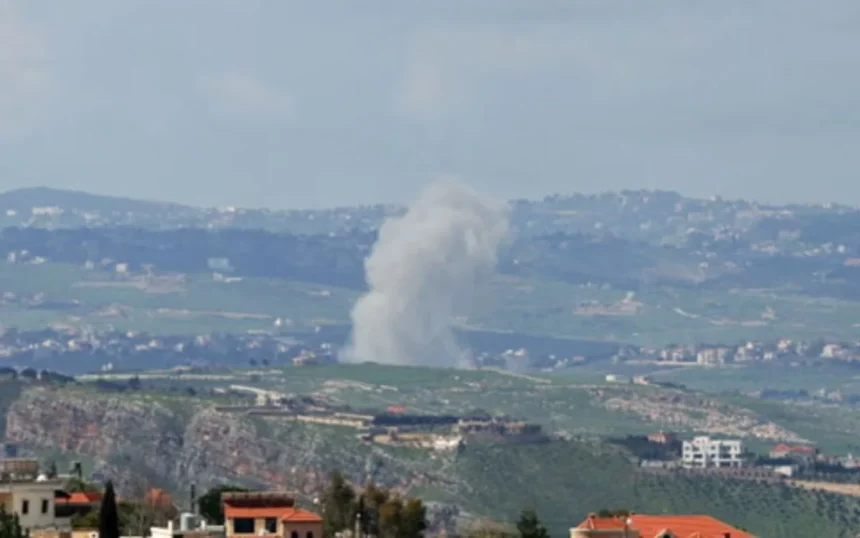
Israeli forces are using the same severe tactics in southern Lebanon that they previously deployed in Gaza, leaving entire towns reduced to rubble and tens of thousands of civilians displaced. Satellite imagery and ground reporting show that villages and urban centers near the border have been systematically leveled, with roads, schools, and homes across dozens of settlements turned into fields of pulverized concrete and debris. Israel’s military states it is targeting Hezbollah infrastructure embedded in civilian areas, but observers and Lebanese authorities say the campaign has devastated broad swaths of civilian life.
Background of the renewed conflict
The current escalation began in early March when Hezbollah launched an attack on Israel in solidarity with Iran, according to Israeli and Lebanese officials cited in reporting on the conflict. Israel responded by creating a “buffer zone” several miles deep into Lebanese territory, which it now occupies and clears using ground troops and airpower. The Israeli Defense Ministry has publicly acknowledged that operational methods learned in Gaza—such as large‑scale controlled demolitions and the destruction of entire building blocks—are being replicated along the Lebanese frontier.
Satellite analysis and verified imagery show that border towns like Bint Jbeil and several villages in the Bint Jbeil and Marjayoun districts have sustained extensive damage. The Lebanese Health Ministry reports that Israeli strikes have killed more than 2,600 people in Lebanon since the conflict resumed, including medical workers and journalists. More than a million residents have been displaced from their homes, with many families forced into makeshift shelters or farther‑north cities, according to Lebanese government and U.N. agencies.
What tactics Israel is applying in Lebanon
As reported by documentation of on‑the‑ground operations, Israeli soldiers are entering buildings and planting explosives to raze them from the inside, creating what defense sources describe as “controlled demolitions.” This method has produced wide stretches of leveled streets that resemble the devastated urban landscapes previously seen in Gaza, with entire blocks replaced by white mountains of rubble and clouds of dust. Israeli military officials have acknowledged using Gaza‑style tactics but maintain that such operations are conducted in accordance with international law and are restricted to structures used by Hezbollah or needed for operational security.
In addition to house‑by‑house demolitions, the campaign has targeted infrastructure critical to civilian life. In late April, verified videos showed an Israeli excavator demolishing solar panels near the border town of Debl, which had powered the local water station and supplied electricity to the community. Israeli officials have said such infrastructure could serve Hezbollah’s operational needs, while Lebanese and international humanitarian groups argue that cutting utilities and power deep inside civilian areas sharply restricts access to basic services.
Civilian impact and humanitarian concerns
Lebanese authorities and humanitarian organizations describe southern Lebanon’s border belt as increasingly uninhabitable, with hospitals, schools, and mosques damaged or destroyed and supplies of fuel and clean water in short supply. The scale of displacement has strained services in host communities, including in cities farther north, and has raised concerns about long‑term displacement and the erosion of basic public services. The Lebanese Health Ministry has warned that medical facilities are overwhelmed and that the loss of medical staff and infrastructure threatens to deepen the humanitarian crisis.
Legal experts and human‑rights advocates have voiced alarm over Israeli officials’ stated aim to replicate Gaza‑style destruction in Lebanon. Some lawyers interviewed in reporting on the conflict have argued that demolishing broad swaths of civilian infrastructure—power grids, water stations, and housing—without clear, specific military justification could constitute violations of international humanitarian law. Israeli military spokespersons have responded that all operations are “in accordance with international law,” asserting that Hezbollah embeds its fighters and weapons systems within civilian areas, which makes surrounding structures potential military targets.
Regional tensions and ceasefire dynamics
Despite a U.S.-brokered ceasefire that has been extended into mid‑May, cross‑border fighting continues in various pockets along the border, according to regional media and diplomatic sources. Hezbollah has continued to launch drones, rockets, and anti‑tank missiles at Israeli positions, killing several Israeli soldiers in early March, military sources say. Israeli officials maintain that their buffer‑zone operations will continue until they deem the threat from Hezbollah along the southern border to be sufficiently degraded.
Analysts quoted in coverage of the conflict warn that the replication of Gaza‑style tactics in southern Lebanon could deepen regional instability, harden local opposition to Israel, and erode the prospects for a durable political settlement. The combination of widespread destruction, mass displacement, and the targeting of civilian infrastructure has already triggered international concern, with some states and U.N. bodies calling for clearer safeguards for non‑combatants and more transparent rules of engagement in the ongoing hostilities.
The variety of games here is insane. I spent all weekend exploring different slots and won a decent amount. Definitely give 20jilicomlogin a go!