


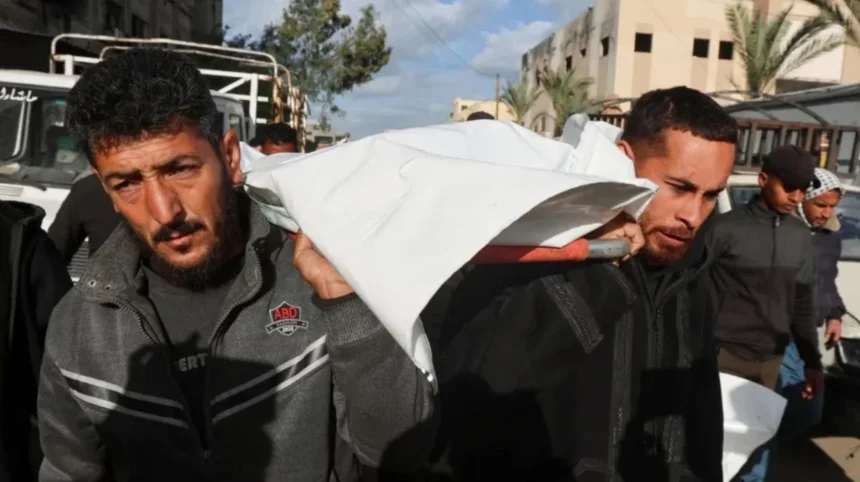
At least 17 people were killed in Gaza in Israeli strikes that Palestinian hospital officials say hit multiple locations in the enclave on Wednesday, including areas in Gaza City and Khan Younis. According to reporting by the BBC, medical staff said the dead included several children and that the bodies were taken to major hospitals in the territory for identification and treatment of the wounded.
As reported by staff writers at the Associated Press, the fatalities add to a growing death toll recorded since a ceasefire, brokered in October 2025, came into effect but has been repeatedly shaken by lethal incidents along the front lines. Hospital and health ministry figures cited in those reports indicate that hundreds of Palestinians have been killed in various episodes of fire and airstrikes since that agreement began.
According to the BBC, the Israeli military said the latest strikes followed gunfire against its forces operating near a boundary line in northern Gaza, describing the shooters as “terrorists” and the incident as a “clear breach” of the ceasefire. Israel’s account stated that aircraft and armored units carried out what it called targeted strikes in response.
Medical officials quoted in coverage by the BBC and the Associated Press said that among the 17 killed were women and children, with some of the victims coming from the same families. Shifa Hospital in Gaza City and Nasser Hospital in Khan Younis were reported as the main facilities receiving the dead and wounded from the separate strike locations.
What are hospitals and officials reporting?
Hospital sources cited by the BBC said Al-Shifa hospital in Gaza City received the bodies of 13 people killed in strikes on residential areas in the eastern parts of the city, including at least five minors. Nasser Hospital in Khan Younis reported handling four additional fatalities, including one child, after blasts that hit tents or makeshift shelters in a southern area.
According to Associated Press reporting, doctors and administrators in Gaza’s hospital system say many of the victims in the latest incident were women and children, reflecting a pattern they have documented in earlier post‑ceasefire strikes. They also reported that some of those killed were inside tents or temporary structures erected by displaced families.
The BBC reported that Gaza’s health authorities view the incident as part of a series of ceasefire violations, while Israel and Palestinian factions have traded accusations over responsibility for previous flare‑ups. Health officials say repeated strikes, along with chronic shortages of supplies and damage to infrastructure from earlier phases of the war, continue to strain Gaza’s already fragile medical system.
According to AP, Gaza’s health ministry figures indicate that more than 530 Palestinians have been killed by Israeli fire since the October 10 ceasefire started, underscoring the scale of continued violence despite the formal truce. These numbers include deaths from drone fire, artillery, and airstrikes across multiple parts of the territory.
Supporting details and military accounts
As reported by the Associated Press, the Israeli military said militants opened fire on its troops operating near the so‑called “Yellow Line,” an area that marks the division between Israeli‑controlled zones and those administered by Palestinian authorities under the ceasefire terms. The army said a reservist soldier was seriously wounded in the attack and evacuated to an Israeli hospital.
According to the BBC, Israeli statements described the responding fire as “precise strikes” requested by ground forces after they identified what they said were hostile gunmen. The military did not provide detailed coordinates of the targets hit or a full breakdown of casualties on the Palestinian side, beyond confirming that air and armored units were involved.
AP reporting noted that Israel has repeatedly argued that Palestinian armed groups are using civilian areas for cover, while Palestinian health officials say the strikes often hit homes, tents, and civilian gathering points. The latest deaths in Gaza City and Khan Younis occurred in areas where displaced people have sought shelter following earlier fighting and evacuations.
According to previous reports collated by Reuters and other outlets, incidents in which high numbers of civilians are killed have repeatedly drawn international concern, particularly when strikes hit residential buildings, schools, or police stations. Those patterns form the backdrop for scrutiny of any new event with double‑digit civilian casualties, such as the latest reported 17 deaths.
What are the implications and what could happen next?
According to the BBC, both Israel and Hamas have accused each other of violating the ceasefire, and Wednesday’s events are likely to fuel renewed debate over whether the truce can hold in its current form. The strike and the wounding of the Israeli soldier come as international mediators continue to press for more durable arrangements to prevent a return to large‑scale hostilities.
AP reporting suggests that every lethal incident since the ceasefire risks triggering escalatory cycles, as each side cites attacks by the other to justify new strikes or raids. Diplomats and aid agencies have warned in earlier statements that sustained ceasefire breaches could undermine reconstruction efforts and humanitarian access across Gaza.
According to regional coverage summarized by Reuters, the persistence of deadly incidents has also complicated discussions over border openings, prisoner exchanges, and long‑term security arrangements. International actors have linked progress on those questions to reductions in violence and clearer mechanisms for investigating and preventing civilian casualties.
Humanitarian agencies quoted in prior reporting on similar incidents say that any further deterioration in security could exacerbate displacement, disrupt aid convoys, and increase pressure on already overstretched hospitals in Gaza. For families in Gaza City and Khan Younis who lost relatives in the latest strikes, the immediate focus remains on mourning, burial, and emergency care for survivors amid the uncertainty over what comes next.
In sum, hospital officials in Gaza report that 17 people, including children, were killed in Israeli strikes that followed gunfire which wounded an Israeli soldier near a ceasefire line, while Israel describes its actions as targeted retaliation for a serious breach of the truce. The incident highlights the fragility of the months‑old ceasefire and the ongoing humanitarian and political risks posed by recurring episodes of deadly violence in the territory.