

General context and structure
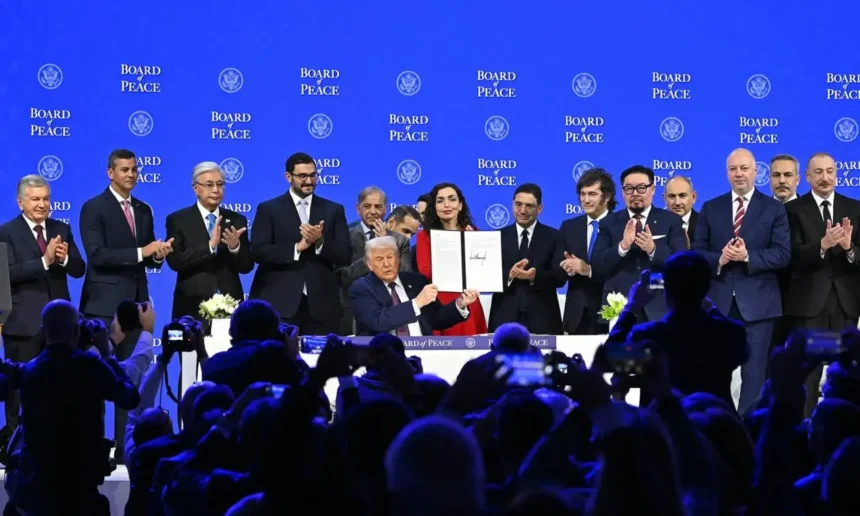
According to JNS, the Board of Peace is a new U.S.-based nonprofit entity created to support Israel’s war effort against Hamas and to counteract campaigns that seek to delegitimize the Israeli government and the Israel Defense Forces (IDF). The outlet reports that the group presents itself as an advocacy and public diplomacy vehicle focused on shaping international opinion and policy discussions around the ongoing conflict. As reported by JNS, the organization appears aimed at mobilizing political, legal, and media tools in support of Israel’s position in the war.
JNS states that the Board of Peace was set up in the aftermath of the October 7 Hamas attacks and the subsequent Israeli military response in Gaza, with its work framed by supporters as part of a broader effort to defend Israel in international forums and public discourse. According to the outlet’s reporting, the group places particular emphasis on influencing policymakers, legal bodies, and opinion shapers in North America and Europe. JNS notes that the Board is also positioned as a counterweight to international investigations and initiatives that Israeli officials and supporters view as unfair or biased.
Who is running the Board of Peace
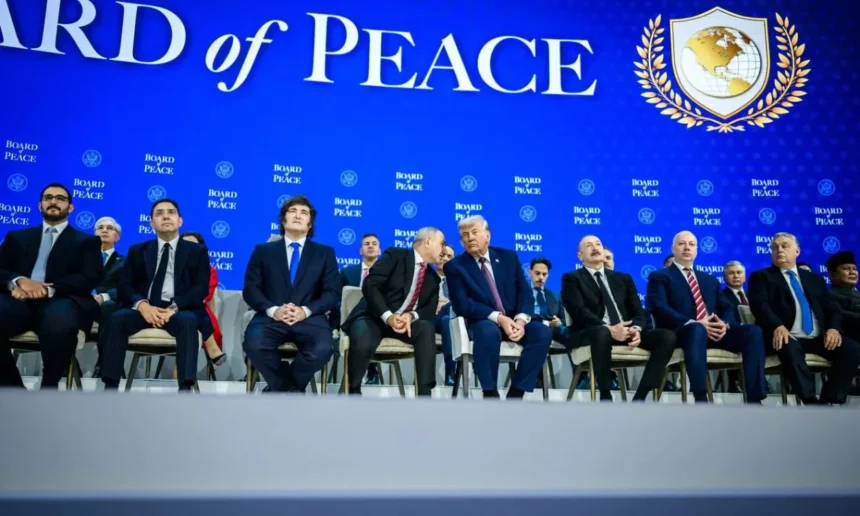
According to JNS, the Board of Peace is overseen by a small leadership circle that includes prominent pro-Israel advocates and political operatives whose names are publicly associated with the project. The outlet reports that this leadership structure includes a board of directors and senior advisers who are described as experienced in government affairs, public relations, and advocacy. As reported by JNS, several of these figures have backgrounds in U.S. politics and in campaigns defending Israel’s image and security policies.
JNS indicates that the individuals involved in the Board of Peace are closely aligned with positions taken by the current Israeli government and by key pro-Israel networks abroad. According to the outlet, some members of the leadership group have previously worked with or advised organizations engaged in legal and diplomatic defense of Israeli officials in international venues. JNS reports that this leadership is responsible for setting the organization’s strategy, approving campaigns, and coordinating its outreach to lawmakers, media platforms, and partner groups.
How does the Board of Peace operate?
As reported by JNS, the Board of Peace functions primarily as an advocacy and communications organization that develops and disseminates messaging in support of Israel’s conduct in the war and in response to international criticism. The outlet notes that this includes the production of legal, political, and policy arguments intended for use by Israel’s allies, lawyers, and lobbyists, as well as the preparation of talking points and narratives for media and diplomatic use. According to JNS, the group seeks to frame Israel’s military actions as legitimate self-defense while challenging legal proceedings and resolutions it views as hostile.
JNS reports that the organization also works to coordinate with like‑minded groups, helping to align strategies and messaging across different pro‑Israel networks. According to the outlet, this may involve sharing research, legal analyses, and communications materials that can be deployed in national parliaments, international institutions, and public debates. As reported by JNS, the Board of Peace positions itself as a behind‑the‑scenes resource for political actors and advocates who are engaged in defending Israel’s policies in various arenas.
Context and reactions: What has the response been?
According to JNS, reactions to the Board of Peace reflect existing divides over Israel’s war in Gaza and the broader international scrutiny it faces. The outlet reports that supporters of the initiative view it as a necessary response to what they describe as one‑sided legal and diplomatic pressure on Israel, including efforts at the International Court of Justice and other bodies. As reported by JNS, backers argue that Israel requires organized, professional advocacy to counter campaigns they see as delegitimizing its right to self‑defense.
JNS also notes that the creation of entities like the Board of Peace is occurring amid intense debates over civilian harm in Gaza, war crimes allegations, and the responsibilities of state and non‑state actors. According to the outlet, critics of similar advocacy structures argue that such efforts can be perceived as attempts to shield governments from accountability, even as supporters describe them as clarifying Israel’s legal and moral position. The article presents these reactions as part of a wider struggle over narratives, legal framing, and public opinion in the context of the war.
Supporting details and expert perspectives
As reported by JNS, the Board of Peace situates its work within the language of international law and human rights, asserting that Israel’s military actions meet legal thresholds for self‑defense and proportionality. The outlet notes that the organization seeks to provide legal arguments and documentation that can be cited in parliamentary debates, court filings, or diplomatic exchanges. According to JNS, this legalistic approach is meant to challenge or rebut accusations advanced in international arenas and by human‑rights advocates critical of Israel’s conduct.
JNS indicates that experts sympathetic to the initiative emphasize the importance of organized responses when states or their militaries are exposed to international legal scrutiny. According to the outlet, these commentators argue that groups like the Board of Peace can help ensure that a government’s perspective and legal reasoning are fully represented and accessible to decision‑makers. As reported by JNS, the group’s work is therefore portrayed by supporters as part of a broader ecosystem of legal and diplomatic advocacy that has emerged around conflicts involving Israel.
Implications and future developments: What comes next?
According to JNS, the activities of the Board of Peace could influence how legal and diplomatic debates around the Israel‑Hamas war unfold in the coming months. The outlet reports that its campaigns and materials are designed to shape the positions of governments, legislators, and international organizations that are weighing resolutions, investigations, or sanctions related to the conflict. As reported by JNS, the organization’s success will likely be measured by whether its arguments gain traction in these forums and among key political actors.
JNS also notes that the long‑term role of the Board of Peace may extend beyond the current phase of the war, depending on how legal cases, diplomatic initiatives, and political alignments evolve. According to the outlet, the group’s model—combining legal framing, advocacy, and coordinated messaging—could be replicated or adapted by other actors in future disputes involving Israel or similar conflicts. As reported by JNS, the Board of Peace is thus positioned as both a response to the immediate pressures facing Israel and a potential template for sustained advocacy in contentious international arenas.
In sum, JNS describes the Board of Peace as a pro‑Israel advocacy and legal‑communications organization created in the context of the Israel‑Hamas war, led by figures with backgrounds in politics and public diplomacy, and focused on influencing how governments and institutions worldwide interpret and respond to Israel’s military and legal posture.