


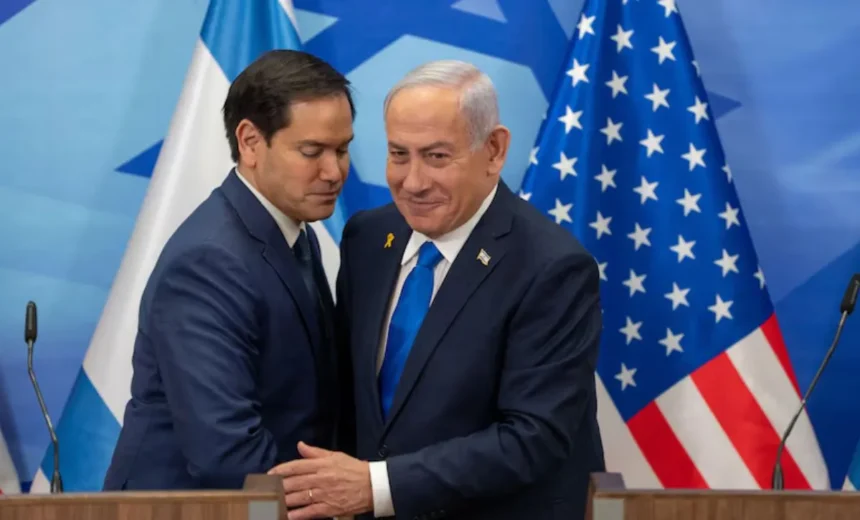
Washington – Senior United States envoys have urged Israeli Prime Minister Benjamin Netanyahu to advance into the second phase of a Gaza ceasefire framework, pressing for a transition that would reduce active combat and enable expanded humanitarian access. The appeal comes amid mounting international concern over civilian casualties in Gaza and growing diplomatic pressure to consolidate a fragile truce. The American delegation is seeking concrete steps from Israel and Hamas through mediators to lock in a multi-stage arrangement that includes hostage releases and a roadmap toward longer-term calm. The discussions underscore Washington’s continued role as a key broker in efforts to halt the conflict’s most intense fighting.
U.S. officials have conveyed to Netanyahu that moving into the second phase of the ceasefire plan is critical to stabilizing conditions on the ground and preventing a renewed escalation in Gaza. They have emphasized the need for Israel to articulate clear military and political objectives that are compatible with a sustained reduction in hostilities and a significant increase in humanitarian relief. According to reporting from major U.S. and international outlets, the framework under discussion envisions a sequenced process: initial pauses in fighting, further releases of hostages held in Gaza, reciprocal measures on Palestinian detainees, and phased adjustments to Israeli military operations. Envoys have reportedly stressed that delays or ambiguity over the second phase risk undermining international support and complicating regional diplomacy involving Egypt, Qatar, and other mediators.
What are U.S. envoys asking of Netanyahu on the ceasefire plan?
U.S. envoys are pressing Netanyahu to formally commit to and operationalize the second phase of a ceasefire mechanism that has been outlined in diplomatic contacts over recent weeks. Their message centers on securing a transition from intensive ground operations to more targeted, limited activity, with a clear timetable for steps that would allow humanitarian agencies greater access across Gaza. As reported by multiple leading news organizations, the American side is urging Israel to accept defined conditions for continued pauses in the fighting linked to further hostage releases, in coordination with mediators who are in contact with Hamas. Officials are also seeking assurances that any Israeli actions in the next phase will be calibrated so as not to collapse the fragile truce framework or derail negotiations toward a more durable cessation of hostilities.
How have negotiations evolved and what are the main points of contention?
According to major international media outlets, the ceasefire discussions have evolved from short-term pauses focused on humanitarian corridors into a more structured, multi-phase proposal that ties security measures to political and humanitarian benchmarks. Key points include the sequencing of hostage releases, the pace and geographic scope of Israeli military drawdowns, and arrangements for aid deliveries and civilian protection inside Gaza. As reported by correspondents for several prominent U.S. and European newspapers, one of the main points of contention has been Israel’s reluctance to accept terms it believes could limit its operational flexibility against Hamas, set against U.S. and regional partners’ concern that continued large-scale operations could further destabilize the situation. Mediators have been working to narrow gaps by proposing detailed monitoring and verification mechanisms that would give both sides some confidence in compliance while keeping pressure on them to advance the process.
How are regional and international actors responding to the U.S. push?
Regional states directly involved in mediation, including Egypt and Qatar, have generally welcomed the U.S. push to move into the second phase, seeing it as a chance to consolidate hard-won pauses in fighting and avert a broader regional escalation. International organizations and humanitarian agencies have publicly argued that deeper and more predictable ceasefire arrangements are essential to address what they describe as an acute humanitarian crisis in Gaza, and they have urged all parties to follow through on commitments discussed with U.S. and regional envoys. As highlighted by coverage in major global outlets, European governments have echoed Washington’s calls for an expanded ceasefire framework, while also emphasizing civilian protection and respect for international humanitarian law. At the same time, some governments and rights groups have questioned whether the measures under discussion go far enough toward a full cessation of hostilities and a political process addressing the underlying conflict.
What could the second phase mean for Gaza and the wider region?
If implemented, the second phase of the ceasefire plan could bring a sustained reduction in large-scale military operations in Gaza, opening space for more substantial humanitarian deliveries and the restoration of basic services in several areas. Diplomats and analysts cited by major news outlets say this phase is also intended to create conditions for more serious discussions on governance and security arrangements in Gaza, including the role of international actors in reconstruction and monitoring. For neighboring countries, a more stable ceasefire could lower the risk of spillover incidents and reduce political pressures generated by images of destruction and civilian suffering. However, the durability of any second phase would depend on the parties’ willingness to adhere to agreed limits on military activity and to continue negotiating further steps, rather than reverting to unilateral actions that could reignite large-scale violence.
The latest U.S. diplomatic push underscores that Washington continues to see a staged ceasefire framework as the most viable path to de-escalation, even as core political disputes between Israel and Hamas remain unresolved. By urging Netanyahu to move into the second phase, American envoys are seeking to lock in immediate humanitarian gains while preserving a fragile diplomatic channel that could, if sustained, lead to broader talks about Gaza’s future and regional stability.

