


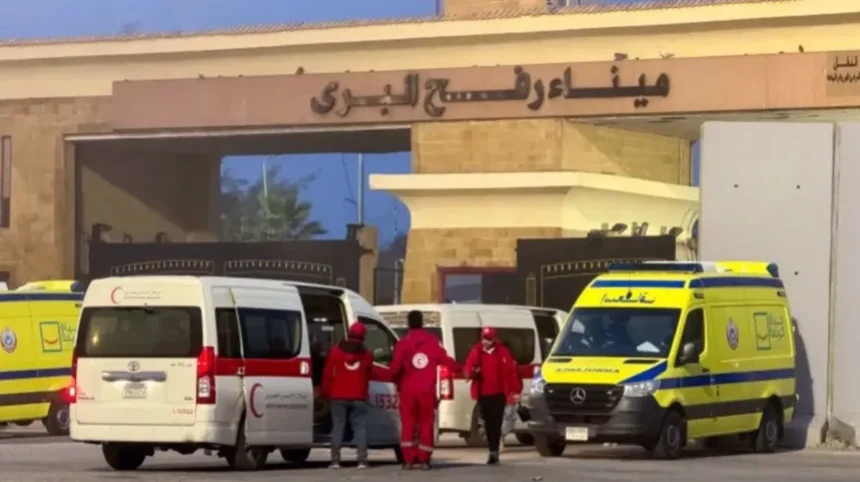
The Gaza Health Ministry has called for the permanent and unrestricted opening of the Rafah crossing with Egypt, warning that partial operations are endangering thousands of patients. According to Press TV, the ministry stated that more than 20,000 patients and wounded people are currently waiting to leave Gaza for medical treatment abroad.
As reported by Press TV, the ministry stressed that the crossing must function “permanently and regularly” in a manner that guarantees free movement for the sick and injured. It said the current partial reopening, in place since February 2, 2026, does not meet the scale of what it described as a mounting health catastrophe.
The ministry emphasized that the health sector in Gaza has been severely weakened by years of blockade and repeated Israeli attacks on medical infrastructure. According to Press TV’s report on the statement, this situation has left hospitals unable to provide advanced care for many complex and life-threatening conditions.
Officials in Gaza argue that Rafah is now a critical lifeline for those in need of specialized treatment unavailable inside the besieged enclave. As reported by Press TV, they say the limited number of people permitted to travel each day falls far short of addressing the growing backlog of urgent medical cases.
The ministry’s statement framed the restrictions at Rafah as part of a broader pattern of obstacles to health care that has intensified the humanitarian crisis. According to Press TV, authorities in Gaza warned that without a fundamental change in how the crossing operates, many of the patients on the waiting list face a serious risk of death.
What reactions and concerns has the Health Ministry raised?
The Gaza Health Ministry’s statement included urgent appeals to the international community, humanitarian organizations, and human rights bodies. As reported by Press TV, the ministry called on these actors to intervene immediately to pressure Israel to guarantee patients’ right to travel for treatment.
According to Press TV, officials described the current restrictions as a “systematic policy” that deepens both the physical suffering and psychological distress of those needing care. They argued that these measures compound the existing burdens on patients already living under what they characterized as dire humanitarian and health conditions.
The ministry highlighted testimonies from patients and wounded individuals who had managed to travel abroad for treatment but reported “deeply distressing” experiences. As reported by Press TV, these accounts underscore how difficult and uncertain the process of medical evacuation has become, even for those granted permission to leave.
In the statement cited by Press TV, Gaza’s health authorities warned that the restricted mechanism at Rafah “poses a direct threat to the lives of thousands of patients.” They said that delays and limitations in evacuation procedures are worsening the humanitarian situation and increasing the likelihood of preventable deaths.
The ministry also framed the issue in legal and moral terms, arguing that freedom of movement for medical care is a basic human right. According to Press TV, officials said the ongoing restrictions place the international community before its “legal and moral responsibilities” to act in defense of those rights.
Supporting details on health conditions and movement restrictions
The Gaza Health Ministry’s statement listed several categories of patients whose conditions are especially critical. As reported by Press TV, these include people with cancer, heart disease, kidney failure, and those suffering from severe injuries who require advanced surgical procedures unavailable in Gaza.
According to the ministry, the overall collapse of Gaza’s health system means that even routine chronic conditions can quickly become life-threatening without timely specialist care. Press TV reported that the statement linked this deterioration directly to the long-standing blockade and repeated strikes against hospitals, clinics, and other medical facilities.
The partial reopening of the Rafah crossing on February 2, 2026, was initially presented as a step toward easing movement. However, the Gaza Health Ministry says the reality on the ground has been far more limited. As reported by Press TV, officials argued that the number of people actually allowed to travel remains “extremely limited” relative to the scale of the health crisis.
Press TV’s report noted that the ministry sees a clear disconnect between the announcement of partial operations and the practical impact for patients. According to the statement, the current mechanism fails to significantly reduce the backlog of urgent medical cases, leaving thousands in prolonged uncertainty.
The ministry contends that these constraints have turned what should be a humanitarian corridor into a bottleneck. As reported by Press TV, officials warned that without expanding access and simplifying procedures, Rafah cannot serve as a meaningful lifeline for the most vulnerable patients.
How are returning Palestinians describing conditions at Rafah?
The first weeks of the partial reopening have also affected Palestinians returning to Gaza through Rafah. According to Press TV, people who came back via the crossing have described a recurring pattern of mistreatment, abuse, and humiliation by Israeli forces.
As reported by Press TV, returnees say they have faced harsh treatment during security procedures linked to the crossing’s operation. These accounts form part of the broader picture the Gaza Health Ministry is presenting of Rafah as a site of significant hardship rather than relief.
To re-enter Gaza, Palestinians must pass through several layers of security screening. According to Press TV, the process involves checks by Egyptian authorities, followed by inspection by the European Union Border Assistance Mission to Rafah (EUBAM), and then by the Israeli military inside Gaza.
These multiple screening stages can cause long delays and contribute to an atmosphere of uncertainty and stress. As reported by Press TV, the ministry and returning Palestinians say these procedures add to the emotional and physical strain on people already affected by conflict and displacement.
The reported incidents of mistreatment have fueled calls from Gaza for changes not just in the volume of traffic allowed through Rafah, but also in how people are treated during transit. According to Press TV’s coverage, officials argue that the crossing must operate in a way that respects the dignity and basic rights of travelers, particularly those who are sick or injured.
What are the implications and possible future developments?
The Gaza Health Ministry warns that continued restrictions at the Rafah crossing could have severe and lasting consequences for public health in the enclave. As reported by Press TV, officials say that every delay in medical evacuation increases the risk that conditions will deteriorate beyond the reach of available treatment.
According to the ministry’s statement cited by Press TV, the current mechanism “dangerously worsens humanitarian and health conditions” and threatens further loss of life. The authorities maintain that a full, regular opening of Rafah is essential to prevent a preventable death toll among patients who could be treated abroad.
The ministry’s call for urgent international intervention suggests that Gaza’s health officials see outside pressure as a key factor in any change. As reported by Press TV, they urged global and regional organizations to act quickly to secure what they describe as patients’ fundamental right to travel for medical care.
If no substantial change occurs, the backlog of more than 20,000 patients waiting to leave could grow, further stretching an already fragile system. According to Press TV’s reporting, the ministry believes that without expanded evacuation opportunities, hospitals inside Gaza will continue to face impossible choices over which cases to prioritize.
At the same time, the testimonies about conditions and conduct at the Rafah crossing may draw additional scrutiny to how border procedures are managed. As reported by Press TV, the layers of security checks and reports of mistreatment have added a human rights dimension to what is already a serious health emergency.
The Gaza Health Ministry’s appeal for the full and unrestricted opening of the Rafah crossing highlights the central role that movement plays in the territory’s health crisis. According to Press TV, more than 20,000 patients and wounded individuals are waiting to travel for lifesaving treatment that local hospitals can no longer provide due to blockade-related shortages and damage to the health system. Officials in Gaza argue that the current partial operations at Rafah are insufficient and say that the restricted mechanism, combined with multiple layers of security and reported mistreatment, poses a direct threat to patients’ lives. They are urging international and humanitarian organizations to intervene swiftly to ensure that the crossing functions as a genuine humanitarian corridor, capable of supporting regular medical evacuations and easing the growing pressure on Gaza’s battered health services.

