


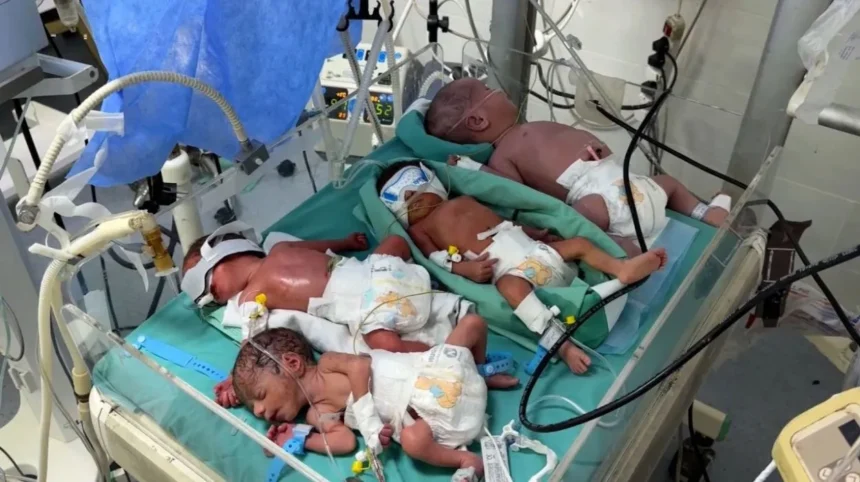
According to BBC News, a major maternity and neonatal hospital in the Gaza Strip is struggling to provide basic care for newborn babies more than three months into a fragile ceasefire between Israel and Hamas. The hospital’s director says many of the infants arriving at the facility are premature or underweight, reflecting the deteriorating health and nutrition of pregnant women living through prolonged conflict and displacement. Medical staff are working with limited medicines, equipment, and reliable power, conditions that they say put already vulnerable newborns at heightened risk.
As reported in the BBC video report “Inside Gaza hospital struggling to provide care to newborn babies,” correspondent Shaimaa Khalil documents crowded wards where incubators and cribs are shared or improvised because of shortages. The report notes that mothers often arrive malnourished and severely stressed, which doctors say contributes to premature labor and low birth weight. Despite the formal ceasefire, hospital staff describe their working environment as an emergency setting, citing intermittent electricity, insufficient fuel, and gaps in essential supplies.
According to BBC News, international aid flows into Gaza have increased since the ceasefire took effect, including shipments of food, medicines, and medical equipment. However, hospital staff and aid agencies interviewed in the report say the assistance remains far below what is needed to stabilize the health situation for mothers and babies. Israel, for its part, maintains that it is meeting its obligations under the ceasefire terms by allowing more humanitarian supplies into the enclave.
How are families and officials reacting?
The BBC report shows parents and relatives expressing fear for the survival of newborns, as they navigate shortages of baby formula, clean water, and consistent medical follow-up. Some mothers describe being unable to eat enough during pregnancy, or moving repeatedly because of previous fighting, and say they worry their babies will not gain weight even after discharge.
According to BBC News, the hospital’s director and senior doctors have appealed publicly for sustained fuel deliveries, specialized medicines for premature infants, and more trained staff to prevent a further rise in neonatal complications. The report notes that medical workers are often exhausted, covering long shifts amid high patient loads, yet continue to keep neonatal units functioning with contingency measures such as manual monitoring and prioritizing the sickest babies.
International humanitarian organizations cited by BBC News have repeatedly warned that maternal and neonatal care in Gaza remains in crisis, despite the lull in large-scale military operations. These groups say that without a predictable flow of aid and easier access for medical evacuations and referrals, preventable deaths among newborns are likely to continue.
Supporting details and wider humanitarian context
According to the United Nations, while the overall volume of aid entering Gaza has risen since the ceasefire, bureaucratic restrictions, damaged infrastructure, and insecurity along key routes still slow deliveries to hospitals and clinics. BBC News reports that this means neonatal units often receive supplies irregularly, forcing staff to ration incubators, oxygen, and medications.
The situation at this Gaza hospital echoes earlier reports from facilities such as al-Shifa hospital in Gaza City, where premature babies were previously described as being in grave peril during active fighting and power cuts. In those earlier cases, medical staff told international media they had to move infants by hand and attempt manual resuscitation when incubators lost power because fuel for generators ran out.
According to BBC News and other international outlets, months of conflict, displacement, and restrictions have weakened Gaza’s broader health system, leaving maternity and neonatal services particularly exposed. Even with the current ceasefire, many facilities remain damaged, understaffed, or dependent on emergency support to keep operating.
What are the implications and possible next steps?
According to BBC News, doctors at the featured hospital warn that without sustained improvements in nutrition, housing, and medical care for pregnant women, the trend of premature and underweight births is likely to persist. They stress that neonatal care alone cannot fully compensate for the wider humanitarian conditions affecting mothers, including food insecurity and psychological stress.
Humanitarian agencies and health experts interviewed or cited by international media say that scaling up maternal and child health services in Gaza will require reliable access for aid convoys, additional funding, and coordination among local authorities, Israel, and international organizations. According to BBC News, Israel says it is allowing more food and medical supplies into Gaza under the ceasefire, while UN bodies and medical charities argue that the level and consistency of aid are still inadequate for the needs they see on the ground.
Looking ahead, health officials and aid groups indicate that monitoring the condition of newborns discharged from hospitals will be crucial, as many return to overcrowded shelters or damaged homes with limited access to clean water and nutrition. They say that without parallel improvements in community-level support, including vaccination campaigns, nutrition programs, and primary care, gains made in neonatal wards may be difficult to sustain.
The BBC report from inside the Gaza hospital underscores that, despite a halt in large-scale fighting, newborn babies and their mothers remain at the center of a prolonged humanitarian emergency. Medical staff continue to operate under strain, aid remains constrained, and the health of the youngest patients depends on decisions being made far beyond the walls of the neonatal unit.

