


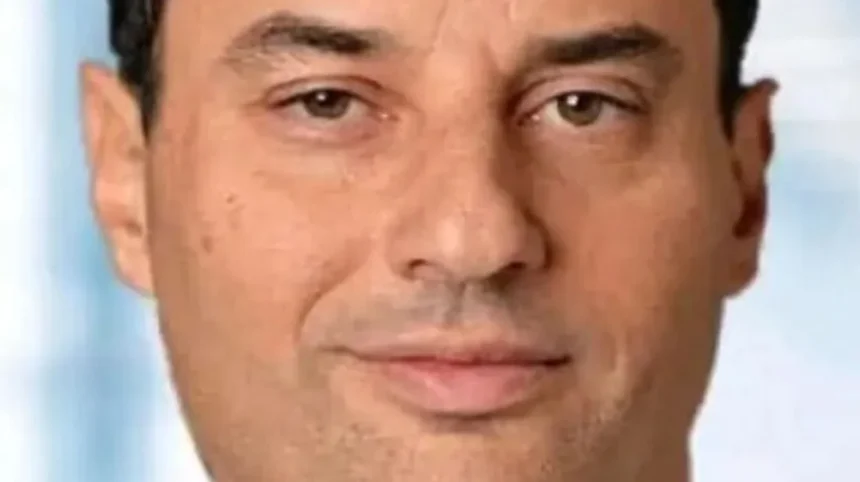
As reported by staff writers of The Times of Israel, Board of Peace Gaza Executive Board member Yakir Gabay said that any reconstruction of the Gaza Strip must begin with removing more than 70 million tons of rubble and unexploded ordnance, as well as addressing hundreds of miles of underground tunnels beneath the territory. According to The Times of Israel, Gabay, an Israeli-Cypriot real estate investor, outlined what he described as a detailed master plan for rebuilding housing and core infrastructure once the territory is made safe and demilitarized.
Gabay said the plan includes modern schools and hospitals, manufacturing and agricultural facilities, transport networks such as roads and trains, and essential utilities including water and energy plants. He added that the proposed reconstruction also covers logistics hubs, telecommunications and data centers, sports and leisure facilities, and both a seaport and an airport, presenting a comprehensive vision for Gaza’s long-term redevelopment.
According to The Times of Israel, Gabay stated that “the funding is ready and will be invested in a free economy,” asserting that the initiative is designed to rely heavily on local participation. He said the goal is for Gaza’s residents to build their own cities, which he claimed would create hundreds of thousands of jobs and revive the local economy once security conditions allow reconstruction to proceed.
Gabay also highlighted the enclave’s 26-mile Mediterranean coastline, arguing that it could be transformed into a new tourist destination. As reported by The Times of Israel, he described plans for up to 200 hotels and potential artificial islands, with the value of this development to be channeled into a Gaza sovereign fund intended to benefit the population.
What reactions and conditions have been outlined?
According to The Times of Israel, Gabay made clear that the entire reconstruction vision is conditional on what he called the “full disarmament of Hamas” in Gaza. He framed the removal of weapons, explosive remnants, and the dismantling or neutralization of tunnel networks as prerequisites before large-scale rebuilding and investment could begin.
In parallel, Reuters reporting from the first Board of Peace meeting in Washington noted that United States President Donald Trump told delegates that nations had already pledged around 7 billion dollars toward a Gaza reconstruction fund, with Washington itself planning to contribute 10 billion dollars, subject to domestic processes. According to Reuters, Trump linked the deployment of these funds to Hamas’s disarmament and the withdrawal of Israeli forces, presenting these security steps as key tests for the Board’s effectiveness in the coming months.
Reuters reported that estimates for rebuilding Gaza after two years of war run as high as 70 billion dollars, underscoring the scale of the task that Gabay’s plan seeks to address once rubble and explosive hazards are removed. The Reuters account also noted that Hamas spokesperson Hazem Qassem said the Board of Peace would be judged by its ability to enforce the ceasefire, push Israel to meet its obligations, and initiate genuine relief and reconstruction efforts on the ground.
Supporting details on the reconstruction vision
As reported by The Times of Israel, Gabay said the Board of Peace’s Gaza plan is structured around a “detailed master plan” spanning housing, public services, and economic infrastructure. The description includes permanent residential construction, education and health facilities, industrial and agricultural zones, and major transport and utility projects aimed at rebuilding the territory’s basic services and economic base.
According to The Times of Israel’s account, Gabay emphasized that investment would flow into a “free economy” model, with the intention that local workers and businesses would drive much of the reconstruction and operation of new facilities. He argued that this approach would help generate “hundreds of thousands of jobs,” though specific timelines or implementation mechanisms were not detailed in the reporting.
Reuters reported that the Board of Peace initiative is backed by pledges from a range of states, including Middle Eastern countries such as the United Arab Emirates, Qatar, Saudi Arabia, Morocco, Bahrain, Kuwait, Kazakhstan, Azerbaijan and Uzbekistan, among others. According to Reuters, these contributions are intended as an initial payment into a larger reconstruction framework that would be deployed when security and political conditions allow rebuilding to proceed.
Reuters also noted that Trump’s broader Gaza plan includes an International Stabilization Force to help maintain security in the territory as reconstruction unfolds, with several nations considering sending troops and police trainers. This security component is presented as part of the conditions under which plans such as Gabay’s, focused on clearing rubble and rebuilding infrastructure, might eventually be implemented.
What are the implications and next steps?
According to The Times of Israel, Gabay’s comments underline that the initial phase of any reconstruction would be dominated by heavy engineering work, including clearing tens of millions of tons of debris, removing unexploded bombs and other ordnance, and dealing with extensive tunnel networks. This framing suggests that before new housing, public buildings, or tourist developments can be launched, Gaza must be made physically safe and structurally stable, a process expected to be complex and prolonged.
Reuters reporting indicates that the success of the broader Board of Peace effort will depend on several unresolved factors, including whether Hamas ultimately disarms, how and when Israeli forces withdraw, and how the pledged funds are managed and disbursed. The Reuters report also notes concerns from some governments and observers about the Board’s scope and its relationship with existing international frameworks, including the United Nations, which may influence how reconstruction planning moves from proposals to concrete projects.
As presented in the reporting by The Times of Israel, Gabay’s vision positions Gaza’s reconstruction as not only a humanitarian and infrastructure challenge but also an economic redevelopment project based on tourism, logistics, and high-value services once the territory is cleared of rubble, bombs, and tunnels. However, both The Times of Israel and Reuters indicate that these plans remain contingent on major political and security developments that have yet to be fully realized, leaving the timetable and implementation of the proposed reconstruction uncertain.
Taken together, the statements quoted by The Times of Israel and the wider context provided by Reuters show that the Board of Peace’s Gaza plans begin with a large-scale clearance operation designed to address rubble, unexploded ordnance and tunnel networks before any comprehensive rebuilding of homes, infrastructure and economic projects can begin in earnest.

