


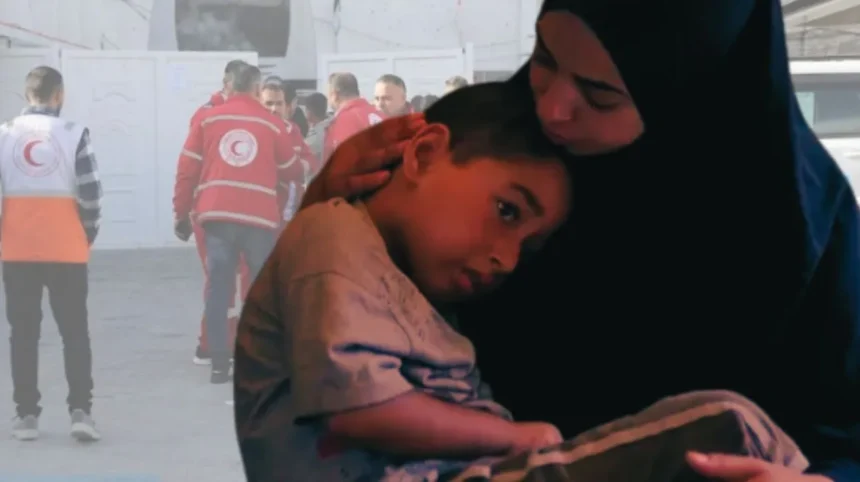
As reported by Palestine Chronicle, emergency and medical services in the Gaza Strip have largely ground to a halt amid ongoing Israeli attacks and a deepening humanitarian crisis. The outlet states that fuel shortages, widespread destruction of infrastructure, and continuous bombardment have severely limited the ability of ambulances and civil defense crews to respond to calls. According to Palestine Chronicle, health facilities already operating under extreme strain are now struggling to receive the wounded, leaving many areas of the Strip effectively cut off from urgent medical care.
Palestine Chronicle reports that five more Palestinians were killed in separate Israeli attacks across the Gaza Strip, adding to the already high civilian death toll. The outlet notes that these incidents occurred against the backdrop of collapsing public services, including reduced capacity in hospitals and emergency response units. According to the report, the combination of new casualties and failing emergency systems has intensified fears of preventable deaths due to delays in rescue and treatment.
How Are Authorities and Residents Responding?
According to Palestine Chronicle, local emergency workers and medical staff have warned that they are no longer able to reach many of the targeted areas in time because of blocked roads, damaged vehicles, and lack of fuel. The outlet cites officials who describe the situation as one in which residents must often transport the injured themselves, using private cars, carts, or on foot, in an effort to reach the nearest functioning clinic or hospital. Palestine Chronicle reports that civil defense teams have also raised alarms about people trapped under rubble for extended periods, with limited capacity to conduct search and rescue operations.
As reported by Palestine Chronicle, residents across the Strip have expressed growing frustration and fear over the collapse of emergency services, stressing that even minor injuries can now become life-threatening without rapid medical attention. The outlet notes that local authorities and health officials are calling for immediate international intervention to restore fuel supplies, medical equipment, and safe access for rescue teams. According to the report, these appeals emphasize that without urgent support, the number of casualties is likely to rise further, even in the absence of new attacks.
Supporting Details and Humanitarian Concerns
Palestine Chronicle details that many hospitals in Gaza are operating at or beyond capacity, with limited electricity, medical supplies, and staff available to treat the injured and critically ill. The outlet reports that frequent power cuts and damaged generators further complicate surgical procedures, intensive care, and the operation of life-support equipment. According to the report, some facilities have been forced to prioritize only the most severe cases, leaving others to wait in overcrowded corridors or makeshift tents.
According to Palestine Chronicle, international humanitarian agencies have repeatedly warned that the health system in Gaza is on the verge of complete collapse, pointing to destroyed infrastructure and restricted entry of medical supplies. The outlet notes that disruptions in emergency services also affect the ability to transport patients with chronic illnesses, such as those needing dialysis or cancer treatment, increasing the risk of indirect deaths linked to the conflict. The report underscores that the breakdown of ambulance and rescue operations is a critical factor worsening the overall humanitarian situation across the Strip.
What Are the Implications and Next Steps?
As reported by Palestine Chronicle, the near-paralysis of Gaza’s emergency services is expected to have serious implications for civilian safety and public health in the coming days and weeks. The outlet notes that with five more Palestinians killed in recent attacks and many others injured, the inability to provide rapid medical assistance could lead to a higher fatality rate from injuries that might otherwise be treatable. According to the report, the strain on hospitals and the civil defense system may also limit their capacity to respond to new escalations or large-scale incidents.
Palestine Chronicle indicates that local and international actors are urging renewed efforts to secure humanitarian corridors, restore fuel deliveries, and protect medical and emergency infrastructure from further damage. The outlet notes that any improvement in the situation will likely depend on easing access restrictions for aid, ensuring the safety of rescue workers, and stabilizing critical services such as electricity and fuel supplies. According to the report, until these conditions change, Gaza’s population will continue to face severe risks from both direct attacks and the broader collapse of essential emergency and health services.
Emergency workers, health professionals, and residents in Gaza, as described by Palestine Chronicle, now confront a situation in which life-saving services are severely limited just as new casualties are recorded across the Strip. The outlet’s reporting emphasizes that the deaths of five more Palestinians highlight not only the immediate impact of ongoing attacks but also the growing danger posed by a failing emergency response system and an overstretched health sector.

