
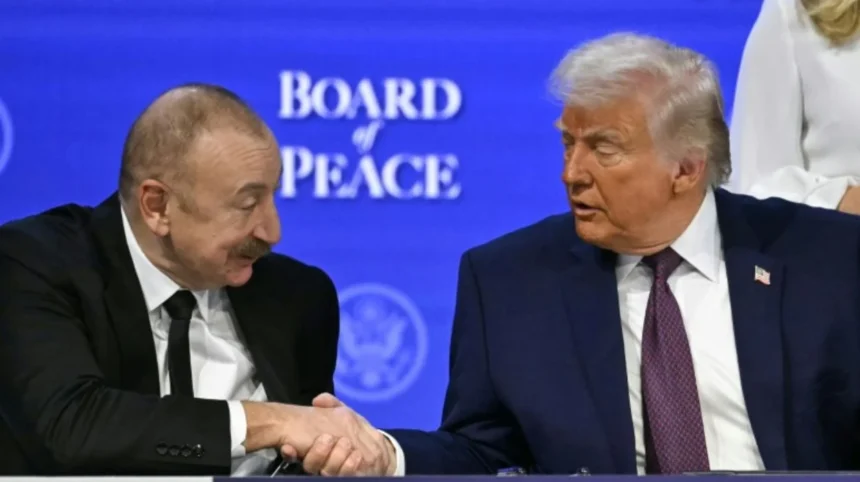
According to France 24, Brazilian President Luiz Inácio Lula da Silva and French President Emmanuel Macron have jointly called for a strengthened United Nations in response to US President Donald Trump’s proposed “Board of Peace.” The initiative emerged as Trump seeks support from selected governments for a new international body he would chair, raising concerns about sidelining existing multilateral institutions. The push from Lula and Macron comes amid broader debate over global governance, the Gaza conflict, and the balance of power within the UN system.
As reported by France 24, Lula has criticized Trump’s “Board of Peace” as an attempt to create a kind of “new UN” under US leadership, rather than pursuing agreed reforms to existing structures. In parallel, Human Rights Watch has described the proposed board as a body with a broad mandate, initially linked to post‑war administration in Gaza but drafted without explicit human rights safeguards. The group noted that Trump has offered seats to several governments accused of serious rights abuses, while demanding a high financial contribution from participants.
In a phone call with Trump, reported by outlets including Yahoo News and RFI, Lula asked that the Board of Peace be limited strictly to Gaza and include a formal seat for Palestine. Lula has not accepted an invitation to join the body and has reiterated Brazil’s position that any new arrangement must not undercut the central role of the UN. Russian agency TASS has also quoted Lula as saying Brazil will not recognize international organizations created unilaterally, emphasizing that discussions should focus on reforming, not replacing, the UN.
What are the main reactions and political messages?
According to RFI and Yahoo News, Lula and Macron agreed in a separate call that peace and security issues must remain anchored in a reformed and more effective United Nations framework. Both leaders reportedly “defended the strengthening of the United Nations” and signaled that global crises, including the war in Gaza, should be addressed through collectively agreed mechanisms rather than through parallel structures. Their message underscores concerns in parts of Europe and the Global South that the Board of Peace could weaken multilateralism.
Human Rights Watch has warned that Trump’s proposal appears designed to bypass the UN Security Council, concentrating authority in a smaller, pay‑to‑enter group chaired by the US president. The organization argued that such an arrangement risks undermining international human rights norms, as the draft charter omits explicit rights protections and grants sweeping powers to the chair. It urged governments to focus instead on reinforcing the UN’s existing capacity to respond to atrocities and conflicts.
European powers and many major economies have so far responded cautiously or skeptically to the Board of Peace idea, according to multiple reports. France 24 and other outlets note that some states close to Trump have signaled support, but most European governments and other major players have been reluctant, viewing the initiative as a challenge to the UN rather than a complement. Lula’s and Macron’s coordinated messaging reflects broader unease about fragmenting the global order into competing institutions.
Supporting details and background
TASS reports that Lula has publicly accused Trump of trying to substitute the UN with an organization where “only he will have power,” warning that Brazil will resist any unilateral mechanism that claims global authority. This stance is consistent with Brazil’s long‑standing advocacy for UN reform, including expansion of the Security Council to better reflect current geopolitical realities and give greater voice to developing countries. Lula has repeatedly tied the legitimacy of global governance to democratic participation and respect for international law.
Human Rights Watch’s analysis highlights that the Board of Peace charter, as reported, does not reference human rights and grants the chair the authority to adopt resolutions or directives at will. The group further notes that membership would reportedly require a contribution of around 1 billion dollars, raising concerns about creating an exclusive club of wealthier or politically favored states. Some governments, including France, are reported to have rejected invitations, prompting threats of economic retaliation such as higher tariffs on key exports.
UN documents and prior speeches show that Lula has long criticized what he calls a “multilateralism crisis,” linking it to democratic backsliding and the rise of anti‑democratic movements. He has argued that institutions like the UN must be reformed and strengthened rather than bypassed, especially in the context of conflicts such as Gaza. This broader record provides context for his opposition to any new structure that appears to replicate UN functions without the same level of representation and accountability.
What are the implications and possible future developments?
According to France 24 and RFI, the coordinated position of Lula and Macron increases diplomatic pressure on Washington by signaling that key partners prefer reforming the UN over joining a new US‑led framework. If more major powers align with this view, Trump’s Board of Peace may struggle to gain broad legitimacy beyond a circle of close allies. This dynamic could sharpen debates over how international security and post‑conflict reconstruction are managed, particularly in Gaza.
Human Rights Watch has argued that governments faced with the choice between paying to join the Board of Peace and investing in UN reforms should opt for the latter, warning that duplicative bodies risk weakening universal standards. Future discussions at the UN General Assembly and Security Council are likely to revisit calls for institutional reform, including Security Council enlargement and clearer mechanisms for crisis response. How Washington responds to mounting criticism—whether by modifying the board’s mandate, offering stronger human rights safeguards, or doubling down on the initiative—will shape the trajectory of this institutional contest.
In the near term, diplomatic contacts among Brazil, France, other European states, and countries in the Global South are expected to intensify around both UN reform and the Gaza file. The way governments position themselves—either by endorsing the Board of Peace, rejecting it, or trying to balance both tracks—will help determine whether the UN emerges strengthened or further fragmented. For now, Lula and Macron have placed their emphasis squarely on reinforcing the UN as the central forum for addressing peace and security challenges in the Trump era.

