


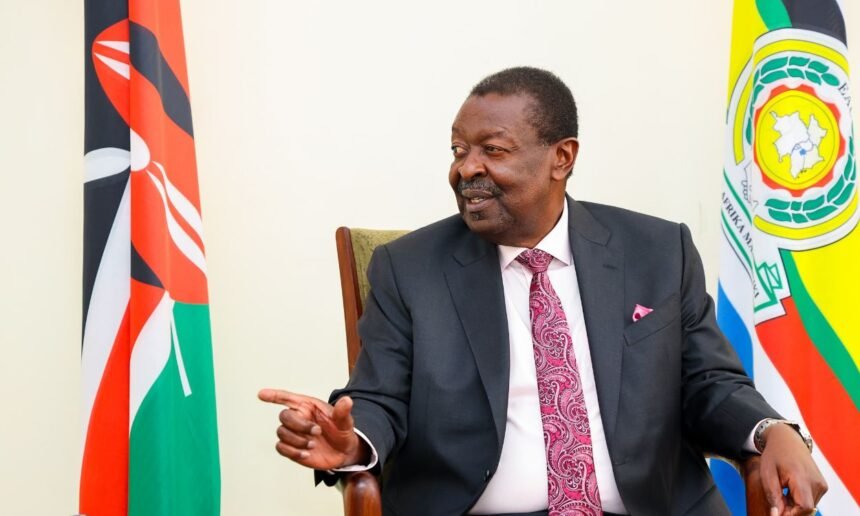
According to The Star, Kenya has publicly distanced itself from United States President Donald Trump’s newly created Board of Peace, affirming that it does not regard the body as a substitute for the United Nations-centered multilateral system. The report says Nairobi’s position aligns Kenya with other states that have voiced concern about parallel structures emerging alongside the UN at a time of heightened geopolitical tension. As reported by The Star, Kenyan officials stressed that their country’s foreign policy remains anchored in support for the UN Charter and the rules-based international order.
- Kenya’s position: What has Nairobi said about the Board of Peace?
- Context and reactions: How does Kenya’s stance fit into the wider debate?
- How are other countries responding to Trump’s Board of Peace?
- How has Kenya articulated its support for the UN system?
- Supporting details and expert commentary
- Implications and future developments: What does Kenya’s stance mean for global governance?
The Star notes that Kenya’s response comes days after Trump formally ratified the Board of Peace’s charter at a ceremony in Davos, presenting it as a new forum for managing post-war reconstruction in Gaza and potentially other conflicts. International coverage, including reporting by Reuters, has highlighted that some governments fear the board could evolve into a rival center of authority on peace and security matters. According to The Star, Kenyan authorities used their statement to underline that any reforms to global governance should take place through strengthening, rather than bypassing, existing UN institutions.
Kenya’s position: What has Nairobi said about the Board of Peace?
As reported by The Star, Kenyan officials made clear that the country has not joined Trump’s Board of Peace and does not view participation in the initiative as compatible with its long-standing support for UN-led multilateralism. The article explains that Nairobi sees the UN framework as the core of the international “peace architecture,” especially for conflict resolution, peacekeeping and development support in Africa. According to The Star, Kenyan representatives argued that creating parallel diplomatic processes risks fragmenting collective responses to global crises.
The Star further reports that Kenyan officials emphasized the need to reform and improve the UN system rather than replace it with ad hoc or exclusive clubs, even if they emerge from UN-linked processes. This position mirrors comments previously made by senior Kenyan leaders in other forums, who have stressed that smaller and medium-sized states rely on universal multilateral institutions to protect their interests. According to The Star, Nairobi’s stance on the Board of Peace is consistent with its broader diplomatic messaging in favor of “true multilateralism” and global governance grounded in shared rules.
Context and reactions: How does Kenya’s stance fit into the wider debate?
How are other countries responding to Trump’s Board of Peace?
International reporting, including by Reuters and Al Jazeera, shows that global responses to the Board of Peace have been mixed, with some states joining while others remain cautious or critical. Reuters has reported that several traditional U.S. allies in Europe have hesitated or declined to participate, citing concerns that the board could undermine or compete with the UN’s authority on peace and security. Al Jazeera notes that countries such as Pakistan, Egypt, the United Arab Emirates, Argentina, Hungary and Belarus have agreed to take part, framing the initiative as a way to support Gaza’s reconstruction and ceasefire implementation.
According to analysis by think tanks and international media, this divergence has fueled debate over whether the Board of Peace is a complementary mechanism focused on specific crises or a vehicle for reshaping global decision-making around U.S.-led coalitions. The Star’s reporting places Kenya firmly in the camp of states that prioritize the UN as the primary venue for collective action and dispute resolution. By openly defending the UN-led order, Nairobi aligns itself with countries that warn against creating overlapping or competing structures in an already complex diplomatic landscape.
How has Kenya articulated its support for the UN system?
The Star notes that Kenyan officials linked their rejection of the Board of Peace to the country’s broader record of engagement with UN peace and security efforts, including its past tenure on the UN Security Council and contributions to peace support missions. Statements referenced by The Star stress that Kenya sees the UN as essential for smaller states to voice their concerns and participate in setting global norms, from conflict resolution to sustainable development. This perspective reflects a belief that reforms should strengthen inclusivity and legitimacy rather than concentrate power in alternative forums.
Reporting from regional outlets and prior public remarks by Kenyan leaders, as cited by The Star, indicate that Nairobi has consistently argued for reforming UN institutions to better reflect contemporary realities, including greater representation for African states. In this context, the decision to distance itself from Trump’s Board of Peace is presented not as opposition to innovation, but as a defense of a system Kenya views as irreplaceable. The Star underscores that Kenyan officials see the UN framework as the appropriate venue for tackling complex crises such as those in Gaza, Sudan and Haiti.
Supporting details and expert commentary
According to The Star, Kenyan commentary on the Board of Peace echoes concerns raised by experts and diplomats who warn that parallel bodies could dilute accountability and complicate coordination in peace processes. Analysts quoted in international coverage of Trump’s initiative have argued that the board’s structure, which grants significant authority to the U.S. president and involves high financial thresholds for permanent membership, may exclude many states that rely on the more egalitarian UN General Assembly. The Star’s article situates Kenya’s stance within these broader critiques about inclusivity and fairness.
The Star also notes that Kenya’s position is informed by its own experience as a regional hub for diplomacy and UN agencies, including offices in Nairobi that support environment, humanitarian and peacebuilding work. This role has reinforced Kenya’s interest in protecting the integrity and centrality of UN institutions in Africa and globally. According to the paper’s reporting, Kenyan officials argue that any durable framework for international peace and security must be rooted in internationally agreed norms and transparent decision-making, elements they associate more closely with the UN than with newly formed, selective bodies.
Implications and future developments: What does Kenya’s stance mean for global governance?
Could Kenya’s position influence other states?
The Star reports that Kenya’s explicit defense of the UN-led global order adds to a growing chorus of states voicing reservations about the Board of Peace’s long-term implications. While Nairobi is not alone in its concerns, its stance may carry particular weight in African and Global South forums, where debates over multilateral reform and representation are increasingly prominent. According to the article, Kenyan officials suggest that strengthening the UN, rather than proliferating alternative structures, is the best way to address perceived imbalances and inefficiencies.
International analyses referenced alongside The Star’s reporting indicate that positions taken by influential regional actors like Kenya could shape how other countries in Africa and beyond approach invitations or pressure to join the Board of Peace. If more states adopt similar language emphasizing UN centrality, this could limit the board’s ability to position itself as a new, widely representative arbiter of peace and security. Conversely, if the board demonstrates practical results in areas like Gaza reconstruction, some governments may reassess their positions over time.
What are the next steps for Kenya and the Board of Peace?
According to The Star, Kenya has not signaled any intention to revisit its decision in the near term and is instead focusing on advocating for UN-centered solutions to ongoing conflicts. Nairobi’s diplomatic agenda, as presented in the article, includes calls for reforms that would make the UN more responsive and equitable, rather than endorsing new structures that operate outside its core frameworks. Kenyan officials are expected to continue articulating this position in regional and international meetings where global governance is on the agenda.
At the same time, reporting from international outlets suggests that the Board of Peace will move ahead with its mandate on Gaza and possibly other crises, with its legitimacy and influence varying by region and political alignment. The Star’s coverage indicates that Kenya will watch these developments while maintaining that the UN remains the indispensable platform for addressing cross-border challenges. In doing so, Nairobi positions itself as a firm supporter of multilateralism at a moment when the balance between traditional institutions and new initiatives is being actively contested.
In summary, The Star reports that Kenya has clearly rejected participation in Donald Trump’s Board of Peace and reaffirmed its commitment to a UN-led international order, arguing that global peace and security should be pursued by reforming and strengthening existing multilateral institutions rather than creating parallel structures that could fragment collective efforts.

