


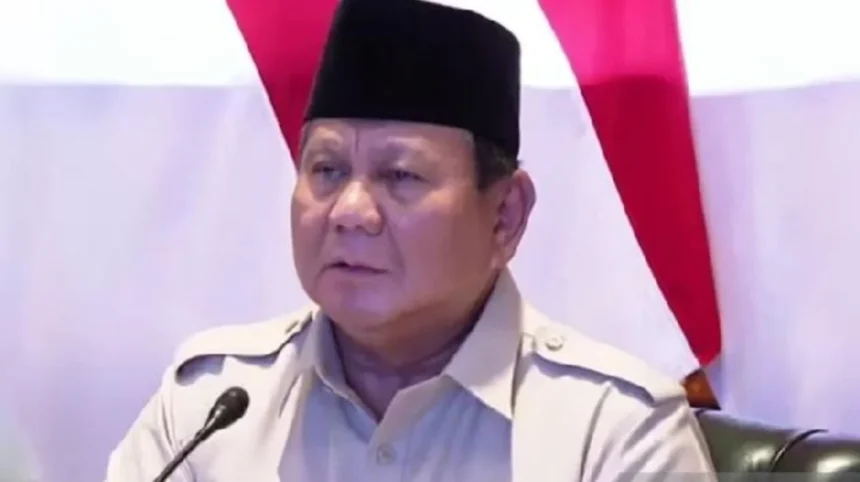
According to Tempo, Indonesian President Prabowo Subianto extended Eid al-Fitr greetings to Palestinian President Mahmoud Abbas in a phone call. Tempo reported that the call was part of Prabowo’s outreach to leaders of friendly Muslim-majority countries during the Eid holiday.
As reported by ANTARA News, Cabinet Secretary Teddy Indra Wijaya said the president’s Eid diplomacy included calls to several counterparts, among them Mahmoud Abbas. Wijaya described the engagements as efforts to reinforce bilateral ties and Indonesia’s commitment to unity in the Islamic world.
Tempo noted that Prabowo’s greetings to Abbas came amid Indonesia’s ongoing political and humanitarian support for Palestine. The outreach was framed as an affirmation of longstanding solidarity with the Palestinian cause.
How did Indonesia frame the call and what were the reactions?
As reported by ANTARA, Teddy Indra Wijaya stated that Prabowo’s Eid calls, including the one to Abbas, were intended “to maintain close relations and accelerate international cooperation” on the occasion of Eid al-Fitr. He referred to the exchanges as reflecting an “enduring brotherhood” between Indonesia and fellow Muslim-majority nations.
According to the Palestinian news agency WAFA, President Mahmoud Abbas received a phone call from President Prabowo Subianto in which they discussed the latest developments in the Palestinian territories and the wider region. WAFA reported that the two leaders also spoke about strengthening bilateral relations and issues of common interest.
WAFA added that Abbas expressed appreciation for Indonesia’s consistent support for Palestine and its people, including humanitarian assistance to Gaza during the ongoing conflict. The agency noted that Abbas welcomed continued international efforts aimed at ending the war and alleviating Palestinian suffering.
Supporting details: wider ‘Eid diplomacy’ and bilateral ties
ANTARA reported that Prabowo’s call to Abbas was part of a broader “Eid diplomacy” initiative involving leaders from the Middle East and Asia. In addition to Abbas, Prabowo reached out to Malaysian Prime Minister Anwar Ibrahim, Egyptian President Abdel Fattah el-Sisi, UAE President Mohammed bin Zayed Al Nahyan, Turkish President Recep Tayyip Erdogan, Pakistani Prime Minister Shehbaz Sharif, King Abdullah II of Jordan and Saudi Arabian Crown Prince and Prime Minister Mohammed bin Salman.
The Presidential Secretariat, cited by ANTARA, said these conversations were meant to reaffirm Indonesia’s role as a bridge for global unity. The statement emphasized that, as the world’s most populous Muslim-majority country, Indonesia seeks to amplify “messages of peace, cooperation, and hope” across the Islamic world during Eid.
WAFA’s report on the Prabowo–Abbas call highlighted Indonesia’s continued diplomatic and material backing for Palestine. It noted that Abbas thanked Indonesia for aid delivered to Gaza and for its positions in international forums supporting Palestinian rights and calls for an end to hostilities.
What are the implications and what might follow?
According to ANTARA’s coverage, Prabowo’s Eid diplomacy, including his greetings to Abbas, underscores Indonesia’s intention to remain actively engaged with key partners in the Middle East. Officials quoted by ANTARA indicated that the president plans to continue similar outreach, with further calls to other leaders expected as confirmations are received.
WAFA’s account suggests that the Eid call may feed into ongoing coordination between Jakarta and Ramallah on political and humanitarian issues. By discussing developments in Palestine and bilateral ties, the two leaders signaled that Indonesia’s support and communication with the Palestinian leadership will continue as regional dynamics evolve.
Together, the reports from Tempo, ANTARA and WAFA indicate that Prabowo’s Eid greetings to Mahmoud Abbas were both a symbolic gesture and a continuation of Indonesia’s established pro-Palestinian stance. The call forms part of a wider pattern of Indonesian diplomacy that seeks to combine religious observance with efforts to strengthen political solidarity and cooperation across the Muslim world.

