
Filmmakers behind Gaza: Doctors Under Attack publicly criticized the BBC during their BAFTA TV Award acceptance. The documentary, originally commissioned by the BBC, was dropped last June over impartiality concerns. Channel 4 later broadcast the film, which won best current affairs programme.
General Context
As reported by Elis Gjevori of Middle East Eye, the filmmakers used their BAFTA win on Sunday at London’s Royal Festival Hall to rebuke the BBC for silencing the documentary. The film exposes Israel’s assault on Gaza’s medical sector, opening with footage from a Palestinian medic’s phone killed under Israeli gunfire.
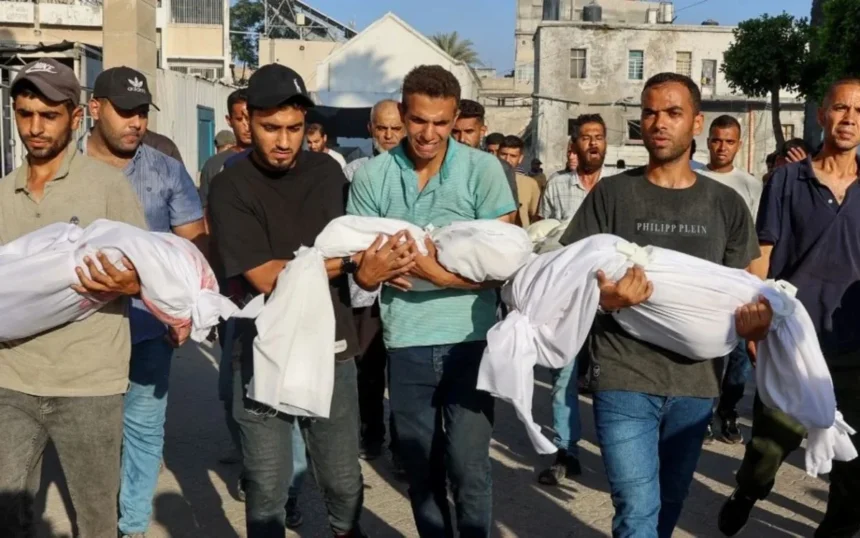
According to The Independent, the documentary features firsthand accounts from Palestinian health workers detailing attacks on hospitals and clinics. Ramita Navai, presenter on stage, stated the BBC paid for the investigation but refused to show it, highlighting over 47,000 children and women killed, every Gaza hospital targeted, and over 1,700 Palestinian doctors and health workers killed.
The BBC delayed the film for six months before dropping it, citing risks of perceived partiality, as noted by Press Gazette. Channel 4 aired it in July, allowing the stories of Gaza’s doctors to reach audiences.
What Are the Reactions?
Executive producer Ben de Pear asked during the acceptance speech, “Given you dropped the film, will you drop us from the BAFTA screening?” The BBC was broadcasting a delayed version of the ceremony on BBC One.
Ramita Navai declared, “But we refused to be silenced and censored. We thank Channel 4 for showing this film.” She dedicated the award to over 80 Palestinian doctors held in Israeli detention centers described as torture camps by human rights groups.
Navai told Press Gazette the BBC process was “deeply disappointing and deeply upsetting,” calling it vindication that the same film won awards. She accused the BBC of lying about reasons and blaming her personally.
Supporting Details
Deborah Turness, then BBC head of news, criticized Navai’s radio interview language as not meeting impartiality standards, per Middle East Eye. The BBC had paused production amid a review of another Gaza programme.
Judges at the British Journalism Awards praised it as “the most powerful eyewitness account,” a tribute to the journalists’ courage, according to Press Gazette. The team included Navai, Karim Shah, Ben de Pear, Menna Hijazi, Jaber Badwan, Mel Quigley, and Leah Gowns.
Navai emphasized the Palestinian team’s risks, noting they filmed in the world’s most dangerous place for journalists. Over 200 journalists have been killed in Gaza, with coverage of their deaths deemed inadequate compared to others.
The film challenges Israeli claims on hospital attacks, often noting lack of evidence, and has been called a potential evidence source for war crimes cases by Navai.
What Lies Ahead for BBC and Coverage?
The BBC stated it remains committed to impartial Gaza coverage and regrets not airing the doctors’ stories, as per its earlier response in Middle East Eye. No further developments on reinstating similar content were confirmed.
Pressure on the BBC continues from prior incidents, like pulling another Gaza documentary over a narrator’s family ties. Filmmakers hope awards spotlight the medicide and detained health workers.
Channel 4’s role sets a precedent for independent broadcasters taking on dropped projects. Future BAFTA screenings by BBC may face scrutiny given de Pear’s direct challenge.
The documentary’s wins at BAFTA and British Journalism Awards validate its journalism amid ongoing Gaza conflict reporting debates. Palestinian voices persist through alternative platforms.
BBC impartiality standards remain under review internally, with no announced changes post this event. Coverage of Gaza health system attacks continues across outlets.
Filmmakers’ public rebuke at BAFTA underscores tensions in broadcasting sensitive conflict stories. Channel 4’s broadcast ensured the film’s reach despite BBC’s decision.
The award confirms the documentary’s impact, with Navai stressing urgency for public interest stories. BBC’s partiality concerns highlight editorial challenges in war reporting.
I had a great run yesterday and won big! The graphics are sleek and the gameplay is fair. I will definitely be coming back to korwin39
If you are looking for a place with great odds and a friendly vibe, this is it. I’ve tried a few others but br118bet feels much more honest and transparent.
Quick and easy access to the portal. I appreciate how secure the login feels. For anyone wondering where to go, rj777login is the way.