


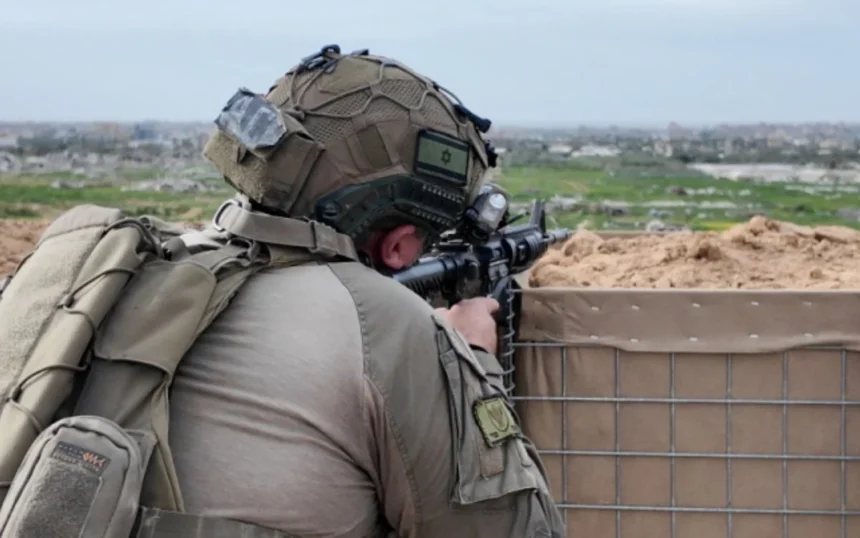
Israel is bracing for a potential resumption of military operations in Gaza. Ceasefire negotiations led by the US have reached an impasse. Hamas continues to refuse demands for full disarmament as a condition for extending the truce.
The standoff centers on the terms of the October 2025 Sharm El-Sheikh ceasefire agreement. According to The Algemeiner, Israeli officials are developing contingency plans should talks collapse completely. Military sources warn of Hamas entrenching its control in the Strip.
General Context
A military source told the Israeli outlet Walla that Hamas is deliberately delaying progress. “Hamas is deliberately dragging its feet. It is exploiting attention on Iran and Lebanon and, in the meantime, is entrenching itself in the Gaza Strip — reasserting control over the territory, establishing governance structures, and rebuilding its military capabilities,” the source stated, as reported by The Algemeiner.
Maj. Gen. Yaniv, commander of the IDF Southern Command, presented a new operational plan to Israel’s leadership. This plan calls for reassessing ground strategies in preparation for possible combat return. The move reflects growing frustration with stalled diplomacy.
The US-led Board of Peace has mediated parallel talks tying Gaza reconstruction to Hamas disarmament. However, repeated failures have led to signals that Israel may not be bound by prior ceasefire terms if Hamas rejects the framework. The board’s High Representative Nickolay Mladenov has warned of war resumption risks.
Hamas armed wing, the Izz ad-Din al-Qassam Brigades, labeled disarmament calls unacceptable. A spokesperson described them as “nothing but an overt attempt to continue the genocide against our people, something we will not accept under any circumstances,” according to Daily Sabah.
What Are the Reactions?
Israeli officials view Hamas’s stance as a stalling tactic. The military source cited by Walla noted two scenarios: a US deadlock declaration leading to fighting, or a partial deal undermining Israel’s security gains, as reported by The Algemeiner.
Hamas has informed mediators it will not discuss disarmament without guarantees of full Israeli withdrawal from Gaza. Three sources confirmed this position to Reuters, per Daily Sabah coverage. The group demands first-phase ceasefire implementation before further steps.
Analyst Mouin Rabbani stated that Hamas notified mediators of no progress on disarmament or second-phase talks until initial terms are met. This was highlighted in Al Jazeera reporting on the negotiation deadlock.
Palestinian Islamic Jihad and other factions outright rejected the plan, prioritizing reconstruction over disarmament. Hamas itself requested modifications, accusing the Board of Peace of pro-Israel bias, according to The Jerusalem Post.
Supporting Details
The Board of Peace set a deadline for Hamas to accept the disarmament proposal, which expired without agreement. Hamas had delayed response, leading to this latest impasse, as detailed by The Jerusalem Post.
While rejecting full disarmament, Hamas indicated willingness to surrender some light weapons used by internal security forces. It plans to retain rockets and heavy arms for its military wing, falling short of US and Israeli demands, per Kurdistan24.
Ceasefire talks have stalled for weeks, with both sides reportedly content with the status quo. Analyst Ahmed Fouad Alkhatib discussed this dynamic on i24NEWS, noting prolonged deadlock.
Cairo disarmament discussions ended without breakthrough, heightening fears of Israeli offensive renewal. The New Arab reported shifting ceasefire terms contributing to the stall.
The January 2025 ceasefire framework faced similar hurdles, with Hamas insisting on permanent truce for hostage releases. Israel sought only temporary pauses, leading to early breakdowns, according to Wikipedia entries on prior negotiations.
What Lies Ahead for Gaza Negotiations?
A US document obtained by The Times of Israel indicates the Board of Peace will not enforce last year’s ceasefire if Hamas rejects disarmament. This frees Israel from halting operations or ensuring aid access upon collapse.
Mladenov’s recent signals reinforce that military resumption remains possible without agreement. Regional tensions, including Iran and Lebanon distractions, complicate enforcement.
Hamas warns that premature disarmament risks civil war in Gaza. The group views the proposal as a trap amid international pressure, as reported by Kurdistan24.
Israel eyes operational reassessment under Maj. Gen. Yaniv’s plan. Political leadership weighs options as Hamas rebuilds capabilities in Gaza.
Board of Peace convenes amid Cairo talks failure. No new deadlines announced, but pressure mounts on guarantors like Egypt and Qatar.
Humanitarian access and reconstruction hinge on disarmament compliance. Failed phases block aid and rebuilding in the war-torn enclave.
Israeli delegations previously recalled amid similar stalls, blaming Hamas for bad faith. US partners echo concerns over negotiation sincerity.
Gaza’s governance structures strengthen under Hamas amid delays. This entrenches positions, reducing incentives for compromise.
US pushes partial agreements, but Israel resists terms eroding security gains. Military sources highlight operational setbacks from weak deals.
International mediators face credibility tests. Repeated failures question framework viability post-October 2025.
Hamas conditions talks on Israeli exit guarantees. Without them, disarmament remains off-table, perpetuating deadlock.
IDF braces for wide-ranging strategy shifts. Southern Command plan addresses ground maneuver needs for potential escalation.
Board of Peace modifications sought by Hamas unmet. Pro-Israel bias accusations stall mediator adjustments.
Civilian toll from prior war phases underscores stakes. Over 72,000 Palestinian deaths reported in initial campaign.
Reconstruction promises lure partial concessions. Yet core disarmament gap persists across factions.
Status quo benefits armed groups rebuilding quietly. Israel monitors entrenchment, preparing responses.
Diplomatic windows narrow as military plans advance. Gaza awaits guarantor intervention or renewed conflict.
Hamas exploits external crises for time. Iran-Lebanon focus diverts scrutiny from Strip activities.
US deadlock declaration looms as option. Fighting resumption follows if no perforated deal forced.
The Algemeiner details Hamas rejection stalling US-backed progress entirely. Contingency planning accelerates accordingly.
Daily Sabah quotes armed wing’s genocide accusation against demands. Unacceptability frames resistance firmly.
The Jerusalem Post confirms deadline miss after foot-dragging. Faction unity against plan solidifies.
Kurdistan24 notes light weapons offer as limit. Heavy arsenal retention signals hardline core.
i24NEWS highlights mutual contentment prolonging impasse. Analysts see no rush to resolve.
The New Arab covers Cairo stall raising offensive fears. Disarmament deadlock central to crisis.
Framework collapse risks broad war return. Israel positions forces, Hamas fortifies positions.
Guarantors urged to enforce phases strictly. Partial compliance insufficient for extension.
Gaza reconstruction stalls without weapons turnover. Aid blockages exacerbate enclave suffering.
Political leadership reviews Maj. Gen. Yaniv’s briefing. Operational pivot nears if talks fail.
Hamas fresh proposals previously stalled by Israel recalls. Blame cycles deepen mistrust.
Board signals non-enforcement post-rejection. Israel gains operational freedom accordingly.
Civil war warnings from Hamas add volatility. Disarmament push risks internal Gaza clashes.
US weighs declaring impasse formally. Partial perforated deal alternative divides allies.
Military source Walla quote captures stalling essence. Entrenchment rebuilds Hamas strength.
The ceasefire talks’ breakdown underscores fragility of post-2025 truce. Hamas disarmament refusal blocks progress. Israel advances military preparations amid diplomatic void. Gaza remains locked in uncertainty as mediators scramble for breakthroughs.
The registration process was a breeze. I love how the graphics look on my phone. 98jiliapp is definitely my new go-to for some quick fun.
The login process is seamless and I love how quickly I can get into the action. Best slot experience I have had in a while. Just visit slotaladinlogin and see for yourself.
Fast deposits and even faster withdrawals. I really appreciate the transparency of krrwin.