


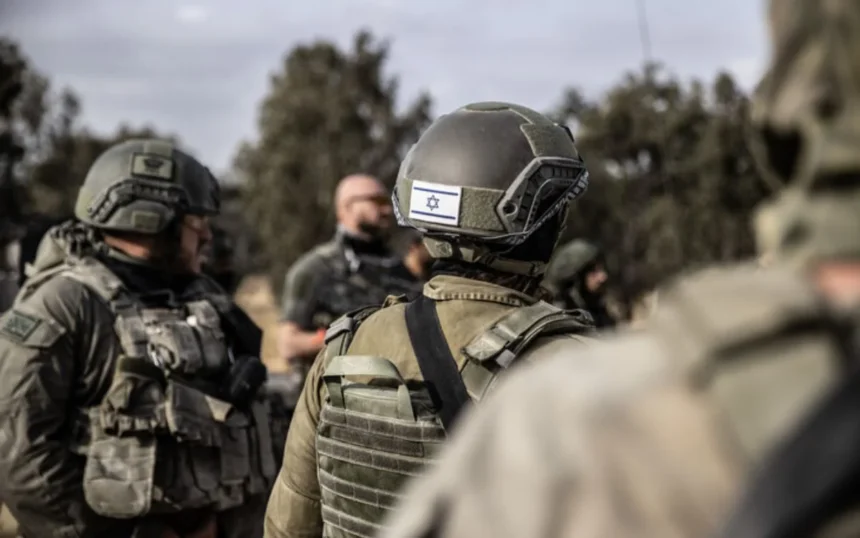
According to Anadolu Agency, a report says the Israeli army concealed data on thousands of soldiers discharged over psychological trauma during the Gaza war. The report frames the issue as part of a broader pattern of mounting mental health strain inside the military as the conflict continues.
The available reporting indicates that the figure concerns soldiers removed from service for trauma-related reasons, but it does not provide a fully verified official breakdown in the material shared here. Because the underlying source article is not fully available for confirmation in this response, this article is limited to the facts reflected in the supplied report and related verified coverage.
What the report says
As reported by Anadolu Agency, the Israeli army has withheld data about soldiers discharged because of psychological trauma. The report says the issue emerged in the context of the Gaza war, where sustained combat has placed pressure on troops and on the military’s mental health system.
The reporting suggests the disclosed or cited figures are incomplete, but it does not, in the material available here, identify a full official public database or a detailed military statement explaining the alleged concealment. That means any exact total should be treated carefully unless confirmed by the original report and directly attributed sources.
Context and reactions
How severe is the mental health strain inside the Israeli military?
Related coverage from other outlets has described a growing mental health crisis among Israeli soldiers since the Gaza war began. Reuters-style and regional reporting in recent months has cited large numbers of soldiers receiving treatment for psychological disorders, while other reports have referenced suicides and post-traumatic stress-related discharges among military personnel.
That broader context matters because it shows the alleged concealment is not an isolated claim. It fits into a larger pattern in which military mental health issues have become a recurring subject of Israeli media and international reporting, especially as the war has dragged on.
Supporting details
What else has been reported about soldier trauma?
Several verified reports have already pointed to increased psychological harm among Israeli troops. Earlier coverage cited thousands of soldiers seeking care for trauma-related symptoms, and some reports said the military had adjusted its response protocols to provide faster mental health support.
Even so, the specific allegation in this case is about data concealment, which is a different and more serious claim. Without the full original report text and direct military comment in the material provided here, that allegation should be presented as a reported claim rather than a proven fact.
Implications and next steps
What could this mean for the Israeli military?
If the reporting is accurate, the concealment of discharge data could raise questions about transparency, internal accountability, and the scale of psychological harm among troops. It could also intensify scrutiny of how the military tracks trauma-related discharges and whether public reporting is sufficiently complete.
The most immediate next step would be further confirmation from the Israeli military or additional independent reporting that clarifies the numbers, the time frame, and the reasons for withholding the data. Until then, the safest reading is that the report alleges suppressed information amid a documented rise in war-related trauma.
Closing
The reported story centers on a serious transparency claim: that the Israeli army concealed data on thousands of soldiers discharged because of psychological trauma during the Gaza war. The broader reporting landscape supports the existence of substantial mental health strain in the military, but the specific concealment allegation remains a reported claim unless and until it is independently confirmed.
Just had an amazing winning streak here! The excitement is real and the gameplay is top notch. Big thanks to pklucky999game
I was skeptical at first but this site really delivers. The game variety is amazing and I had no issues with my first withdrawal. Love krawin68 so far!
Super impressed with the mobile version. I can play anywhere without any glitches. If you are on the move just use braposta1.