


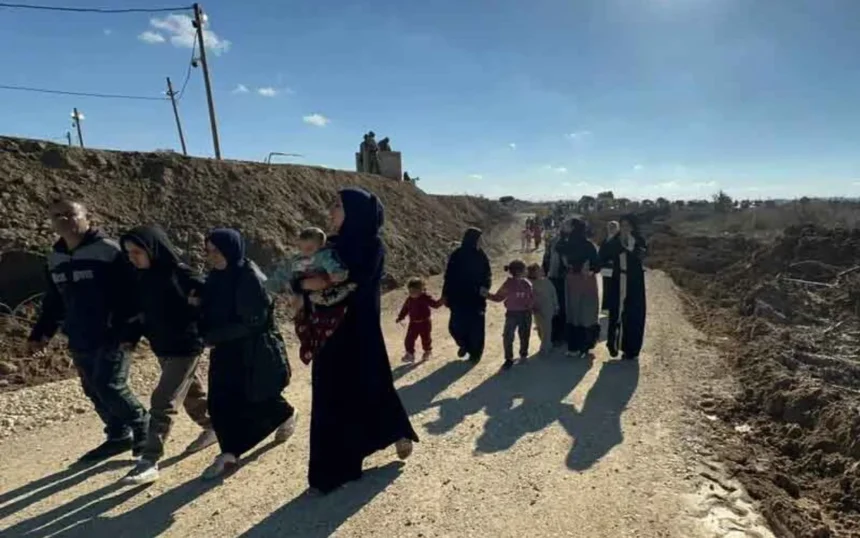
Every time Sami leaves his family he fears he may never see them again.
He says death is everywhere in Gaza.
This sentiment captures the pervasive anxiety gripping residents amid prolonged conflict.
Civilians navigate a landscape where routine outings carry lethal risks.
Basic activities like seeking food or aid expose individuals to immediate danger.
The atmosphere of unpredictability amplifies emotional strain on families.
General Context
As reported in social media updates from UN representatives, Sami’s experience reflects broader civilian hardships.
“Every time Sami leaves his family he fears he may never see them again,” states a post highlighting daily perils.
Death permeates Gaza, turning homes into fragile sanctuaries.
According to Reuters, a 10-year-old kidney patient named Nassem Mohra shares similar fears after separation from his family.
Israeli forces arrested his father, leaving the child isolated and uncertain about reunion.
Such cases underscore how medical needs intersect with conflict dynamics.
Al Jazeera reports detail a survivor’s account of fleeing Gaza, where over 80 percent of the population survives on one meal a day.
Aid access proves deadly, with dozens of civilians lost daily.
Hospitals in northern regions stand obliterated, forcing amputations without anesthesia.
Le Monde describes thousands of missing persons, with families losing contact amid tank advances.
One account notes a sudden cutoff in communications at 7:30 a.m., followed by destruction.
Civil defense teams later found burned ruins containing children.
The New York Times outlines mass displacement of Gaza’s 2.2 million residents due to Israel’s military campaign.
Initiated after Hamas’s October 7 offensive, the response has led to tens of thousands of deaths.
Palestinians face hunger and the specter of permanent exile reminiscent of 1948.
How Are Families Coping?
Families in Gaza adopt white cloths as signals during evacuations, yet risks persist.
Tahrir Abou Madi of Gaza’s civil defense expressed horror at destroyed homes with children inside.
“What did they do to them?” she whispered, voice choked with sadness.
Young Palestinians shared regrets and pride entering 2026, per Roya News English on Facebook.
One stated, “I am proud that I am still alive.”
Survival itself becomes a point of resilience amid loss.
In the West Bank, visits to Gaza kin grow impossible, fostering fears of death before reunion.
Al Jazeera notes Palestinians there barely connect with loved ones.
Separation compounds emotional toll across regions.
Western evacuation efforts, like those by France and the UN, offer limited escapes.
A student survivor described traversing checkpoints as dehumanizing, limited to clothes and a phone.
Four hours in the desert felt eternal.
Supporting Details
Chronic patients perish without medication, as detailed in Al Jazeera.
Approximately 340 children and adults died from starvation in months.
Foraged grass sustains some amid canned goods shortages.
Reuters highlights Nassem Mohra’s plight, where illness and arrest sever family bonds.
The 10-year-old’s story illustrates vulnerabilities for the sick.
Reunification appears remote without intervention.
Le Monde reports bodies under rubble, untouchable due to military presence.
Forensic teams delay recovery, prolonging uncertainty.
Horrifying landscapes emerge days later.
UN posts emphasize omnipresent death, echoing Sami’s routine dread.
James Kariuki’s X update frames it as justice essential, though context centers civilian fear.
Daily exits from home evoke finality.
New York Times notes 1,200 Israeli deaths from Hamas’s border crossing, plus 250 hostages.
This sparked Gaza operations displacing most residents.
Homelessness and hunger prevail.
What Lies Ahead for Gaza Families?
Fears of repeating 1948 displacements loom large, per New York Times.
Gazans dread permanent loss of homes after weeks of hope dashed.
Ongoing war sustains the cycle.
Le Monde questions the fate of thousands missing, with no resolution.
Rubble conceals loved ones, beyond reach.
Civil defense grapples with scale.
Al Jazeera survivor ponders Western support from Paris, flags symbolizing conviction.
Yet Gaza burns, with evacuees like her witnessing afar.
Reentry remains barred.
Roya News captures youth pride in endurance, hinting at resolve.
Regrets mark the year, but life affirms survival.
Future hinges on aid and ceasefires.
West Bank families anticipate deaths without visits, Al Jazeera reports.
Barriers solidify divides.
Reconnections fade.
Additional Verified Insights
Starvation claims mount, with children amputated sans pain relief.
Northern hospitals’ destruction halts care.
Evacuations prioritize few.
Reuters’ Nassem case shows arrests fracturing units.
Medical fragility heightens separation fears.
No updates on father.
Tahrir Abou Madi’s whisper reveals responders’ trauma.
Burned child sites defy comprehension.
Recovery lags.
Sami’s UN-highlighted dread typifies exits as gambles.
Death’s ubiquity reshapes routines.
Families huddle.
Displacement hits 2.2 million, New York Times confirms.
Post-October 7 toll escalates.
1948 echoes resound.
Every departure from home in Gaza evokes potential finality for Sami and countless others. Verified accounts from Reuters, Al Jazeera, Le Monde, and the New York Times paint a consistent picture of fear-driven lives. Families endure separations, starvation, and destruction without clear paths to reunion or safety. Daily survival tests resilience amid unresolved conflict.
Finally found a place that doesn’t lag during the big wins. The login process is quick and the support team is actually helpful. Give jb777login a try