


Key Points
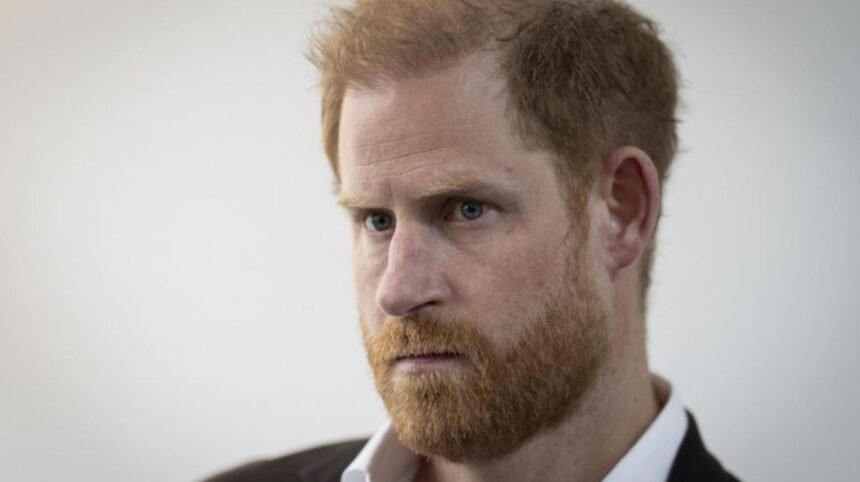
- The Duke of Sussex, Prince Harry, has called for urgent opening of food and medical aid corridors into Gaza.
- He made the appeal during a visit to Jordan with Meghan, Duchess of Sussex, as part of a World Health Organisation (WHO) delegation.
- The call was issued in interviews and meetings on 25–26 February 2026, including comments to Channel 4 News.
- The visit included a refugee camp, a hospital treating children evacuated from Gaza, and humanitarian organisations such as World Central Kitchen in Amman.
- Prince Harry echoed WHO director‑general Dr Tedros Adhanom Ghebreyesus in stressing the need for full humanitarian access and medical supplies for civilians in Gaza.
- The Jordanian government has positioned the country as a regional humanitarian hub, supporting medical evacuations and relief efforts linked to the Gaza conflict.
- The intervention by the Duke of Sussex adds a high‑profile voice to international pressure for sustained aid corridors and could increase public and political scrutiny of access restrictions.
The Duke of Sussex has urged the immediate opening of food and medical aid corridors into Gaza during a visit to Jordan focused on the humanitarian fallout from the conflict. Speaking alongside WHO officials and aid workers, Prince Harry said corridors “need to be opened” to reach civilians in need, warning that current access is insufficient. His comments coincided with growing international concern about restrictions on humanitarian deliveries and the condition of patients evacuated from Gaza to Jordan for treatment.
- Key Points
- Call for urgent humanitarian access
- Context of Jordan visit
- Role of WHO and Jordan
- Engagement with aid organisations
- Meeting refugees and evacuees
- Focus on mental health and addiction support
- International concern over aid access to Gaza
- Public profile and potential impact
- Official responses and limits of verification
- What happens next
Call for urgent humanitarian access
In an interview with Channel 4 News during the trip, Prince Harry said that “the food, the aid corridors need to be opened, that they’re currently not,” referring to Gaza. According to Channel 4 News, he linked his remarks to briefings from World Central Kitchen, a charity providing meals in crisis zones, and to information shared by humanitarian staff on the ground.
Prince Harry framed the issue as one of basic humanitarian principles, citing the need for food, medical supplies and “full access for humanitarian organisations” to reach those most at risk. The Duke said the situation constituted a “very real humanitarian catastrophe that has happened and continues,” highlighting what he described as an urgent requirement for sustained and predictable access routes into Gaza. This information could not be independently verified.
Context of Jordan visit
The Duke and Duchess of Sussex travelled to Jordan on a two‑day visit with a WHO delegation, taking part in meetings and site visits linked to the wider regional response to the Gaza conflict. Their schedule included a roundtable at WHO offices in Amman, where international and Jordanian officials discussed health priorities and the coordination of aid to Gaza and neighbouring countries.
On Wednesday, the couple visited a hospital in Amman treating children and other patients who had been recently medically evacuated from Gaza. Video footage published by The Canadian Press showed the Duke and Duchess meeting evacuees and medical staff at the facility, which has been receiving cases as part of a medical evacuation corridor supported by Jordan and international partners. The WHO has highlighted that corridor as an essential lifeline, while also emphasising that many patients remain in Gaza without access to specialised care.
Role of WHO and Jordan
The visit took place as Jordan intensified diplomatic and operational efforts to channel humanitarian assistance into Gaza. Jordan’s King Abdullah II has called for “intensified international efforts” to deliver aid and medical supplies without restriction, underlining the kingdom’s role in hosting coordination hubs and supporting cross‑border operations.
According to WHO, Director‑General Dr Tedros Adhanom Ghebreyesus travelled to Jordan in the same period to acknowledge the country’s “strong collaboration” on health system strengthening and its role in regional humanitarian work. WHO said Jordan is operating as a “humanitarian hub for the Middle East”, facilitating flights, logistics and medical transfers linked to Gaza and other crises.
Prince Harry echoed that characterisation during the visit, describing Jordan’s efforts as “incredible work” and referring to the country’s “moral leadership” in supporting people affected by the conflicts in Gaza and Syria. He said “the world should be incredibly grateful for what Jordan is doing and the moral leadership that it’s showing for the world right now.”
Engagement with aid organisations
A significant portion of the couple’s programme focused on World Central Kitchen, which has been distributing meals and assistance to communities affected by the Gaza conflict. The charity, founded by chef José Andrés, has previously partnered with the couple’s Archewell foundation and has been involved in emergency food operations in multiple crises.
According to reporting in The Independent by its international desk, the Duke and Duchess visited the organisation’s Amman office to receive a live update on conditions inside Gaza and the logistical challenges of moving food and supplies into the territory. Staff described difficulties in securing consistent access and the impact of damage to infrastructure, factors which have contributed to food insecurity and disrupted aid convoys.
Prince Harry linked his call for open corridors to these briefings, saying that “everything that I’ve heard and everything that I’ve seen, especially from World Central Kitchen, what we heard this morning on the live link, was that the food, the aid corridors need to be opened.” He said the priority was to ensure that organisations such as WHO, World Central Kitchen and others had the space and security to operate.
Meeting refugees and evacuees
The Duke and Duchess also visited a refugee camp in Jordan, where they met children and families who had fled violence in Gaza and other conflict‑affected areas. The engagement, facilitated by WHO and local authorities, was intended to highlight the long‑term displacement and psychosocial needs of those uprooted by the fighting.
At the Amman hospital, the couple spoke with children injured in the conflict and with medical teams treating complex trauma cases. WHO has previously warned that sustained hostilities and access restrictions have placed extraordinary pressure on Gaza’s health system, resulting in delayed treatment and increased demand for medical evacuations. The organisation reported that some humanitarian convoys and health facilities in the occupied Palestinian territory have been affected by security incidents, complicating efforts to maintain continuous care.
Focus on mental health and addiction support
Alongside the Gaza‑related engagements, the visit also included a stop at Jordan’s National Centre for Rehabilitation of Addicts in Amman, a 40‑bed facility that provides residential and outpatient care. The centre, operating under Jordan’s Ministry of Health, offers medical withdrawal services, psychological support and social counselling, as well as facilities such as a gym and yoga classes.
Prince Harry, who has previously spoken about mental health and addiction issues in other contexts, used the visit to encourage patients in recovery. The Independent reported that he told a group of former addicts that “there’s no shame in having an addiction,” urging them to use their experiences to support others in their communities. Meghan, Duchess of Sussex, joined a yoga class and spoke with patients about their treatment and rehabilitation.
While this part of the trip was not directly linked to Gaza, WHO said the Duke’s participation was aligned with its broader message on mental health investment across the Middle East, including for displaced populations and those affected by conflict.
International concern over aid access to Gaza
The Duke of Sussex’s intervention comes against a backdrop of ongoing international concern over the flow of aid into Gaza, where humanitarian agencies have reported severe constraints on deliveries. According to situation updates shared on humanitarian platforms, aid convoys and medical supplies have faced delays and obstacles, and some areas have experienced shortages of basic items.
WHO and other agencies have repeatedly called for safe, sustained and unimpeded humanitarian access, including via clearly designated corridors and crossings that allow both supplies and personnel to move. These organisations have emphasised the need for agreements that protect health facilities, ensure security for humanitarian workers and permit the rapid evacuation of patients requiring specialised care outside Gaza.
Prince Harry’s remarks mirrored this language, focusing on access rather than political or military aspects of the conflict. He presented the opening of aid corridors as a practical measure to alleviate suffering, aligning his message with that of WHO leadership and the Jordanian authorities.
Public profile and potential impact
As a high‑profile public figure with an established record of involvement in charitable and humanitarian causes, the Duke of Sussex often attracts significant media and public attention when commenting on global issues. His call for aid corridors into Gaza adds a prominent voice to appeals already being made by governments, international organisations and non‑governmental groups.
The intervention may help draw additional attention to the humanitarian situation and to Jordan’s role as a staging point for assistance. However, decisions on opening or expanding corridors ultimately rest with the relevant state and security authorities involved in the conflict and in control of border crossings. There is no immediate evidence that the Duke’s remarks have led to policy changes, and no authorities cited his comments as a factor in any operational decisions at the time of publication.
Official responses and limits of verification
At the time of writing, there have been no detailed public responses from Israeli, Palestinian or other regional authorities directly addressing Prince Harry’s comments on aid corridors. Statements from WHO and Jordanian officials during the same period focused on general appeals for access and on technical cooperation rather than on specific public interventions by visiting figures. This information could not be independently verified.
Humanitarian data on aid flows into Gaza remains fragmentary, with agencies relying on a combination of field reports, partner updates and limited access to certain areas. As a result, independent verification of the precise volume of aid moving through existing channels, or of the conditions faced by all affected communities, is constrained. Reporting by outlets such as The Independent and The National, as well as footage from broadcasters and news agencies, offers additional context on the Duke’s visit and statements, but does not provide comprehensive quantitative data on aid delivery.
What happens next
Humanitarian organisations, including WHO and World Central Kitchen, are expected to continue pressing for secure and reliable aid corridors into Gaza, alongside broader calls from the United Nations and regional governments. Jordan is likely to maintain its role as a regional hub for medical evacuations and logistical support, with further cooperation anticipated between Amman and international health and relief agencies.
Any changes to the operation of aid corridors will depend on decisions by the parties to the conflict and by states controlling relevant border crossings, as well as on security conditions along potential routes. Diplomats and humanitarian officials have signalled that negotiations over access are ongoing, but no firm timeline has been set for significant expansions of corridor capacity. Prince Harry’s comments may continue to feature in public debate and advocacy campaigns, but their direct influence on policy outcomes remains uncertain.