


Key Points
- Israeli forces have intensified raids and demolitions in the occupied West Bank while Palestinians in Gaza face severe winter flooding that has inundated camps and damaged already shattered infrastructure.
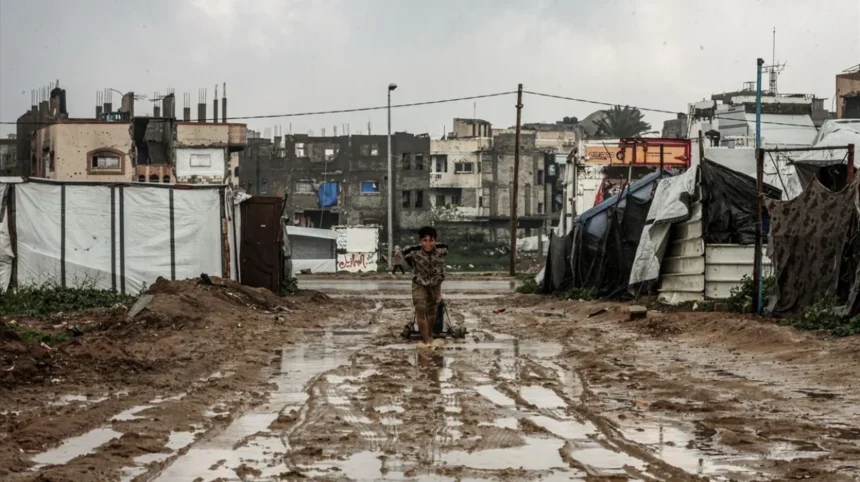
- The latest heavy rains in February 2026 flooded tents and makeshift shelters across parts of the Gaza Strip, compounding a protracted humanitarian crisis caused by years of blockade and recent military operations.
- The events have unfolded during the winter of 2025–26, with United Nations agencies and aid organisations documenting escalating needs over recent months.
- Flooding has hit displacement camps in areas such as al-Mawasi near Khan Younis and sites around Gaza City, while raids and demolitions have been recorded across Area C of the West Bank and East Jerusalem.
- Aid agencies and UN officials say the combination of military action, movement restrictions, infrastructure destruction and winter storms is deepening Palestinian hardship and driving up displacement figures.
- Israeli military operations are being carried out through ground raids, arrests and targeted demolitions, while in Gaza, emergency teams and humanitarian organisations are attempting to drain floodwater, relocate families and deliver limited assistance under access constraints.
- Humanitarian actors warn of rising risks of waterborne disease, homelessness and long-term displacement, and say that without sustained access for rebuilding and aid, conditions may deteriorate further in both Gaza and the West Bank.
A convergence of Israeli military raids and demolitions in the occupied West Bank and severe winter flooding in the Gaza Strip is intensifying hardship for Palestinians, according to United Nations agencies and humanitarian organisations monitoring the situation. Recent storms have inundated camps and shelters in Gaza while, in parallel, Israeli authorities have increased demolitions of Palestinian-owned structures and conducted arrest operations across the West Bank.
Floods deepen crisis in Gaza
Heavy rainfall in late February flooded tents and makeshift shelters in multiple areas of the Gaza Strip, including the al-Mawasi camp west of Khan Younis and parts of Gaza City such as the Remal district and the port area. Images and field reports described families wading through water inside their tents and attempting to salvage belongings from submerged shelters.
Local rescue crews were reported to have delivered urgent assistance to families whose tents were overwhelmed, but humanitarian actors say the scale of need far exceeds available capacity. Tens of thousands of Palestinians have been living in temporary structures that offer limited protection from rain and wind after large-scale damage to housing during Israeli military operations since 2023.
Aid agencies, including Save the Children, have previously documented flooding of hundreds of tents and improvised shelters in Gaza, affecting more than 13,000 families at the onset of winter and mixing rainwater with sewage because of collapsed sanitation systems. According to the organisation, children have been sleeping in clothes soaked with contaminated water, and bedding and food stocks have been ruined.
Strained infrastructure and health risks
United Nations humanitarian updates state that after prolonged bombardment and restrictions on supplies, key water, sanitation and shelter infrastructure in Gaza has been severely degraded. As a result, drainage systems have failed to cope with repeated storms, causing floodwater to pool in low-lying camp areas and urban neighbourhoods.
Officials and health-focused NGOs have warned that stagnant, sewage-mixed water is increasing the risk of waterborne diseases, particularly among children and older people. Reports from the ground describe families attempting to dig channels around tents or raise belongings on improvised platforms to keep them out of the water. This information could not be independently verified.
The UN has characterised conditions in the enclave as “catastrophic”, with many families lacking adequate heating, winter clothing and medical care as storms hit areas where homes have been damaged or destroyed. Humanitarian situation updates indicate that severe storm conditions since late 2025 have caused deaths, flooded nearly 55,000 households and forced the evacuation of hundreds of families from shoreline sites.
Continuing Israeli operations amid winter storms
While residents contend with flooding, Israeli military operations in Gaza have continued, including strikes and ground activity that have caused additional casualties and damage, according to UN humanitarian reporting. In one incident during recent heavy rains, Israeli forces killed two Palestinians, including a child, in the Beit Lahiya area of northern Gaza, according to coverage by Al Jazeera. The Israeli military’s detailed account of the operation was not immediately available.
More broadly, situation updates describe ongoing airstrikes, shelling and gunfire across parts of the Gaza Strip, exposing civilians, aid workers and medical teams to continuing risks. International agencies say movement restrictions and security conditions continue to complicate efforts to deliver shelter materials, repair damaged infrastructure and relocate families out of flood-prone areas.
Demolitions and raids in the West Bank
In the occupied West Bank, UN monitoring indicates a marked pace of demolitions of Palestinian-owned structures, often on the grounds that they lack Israeli-issued building permits, which are described as almost impossible for Palestinians to obtain in much of the territory. Between 20 January and 2 February 2026, Israeli authorities demolished 69 structures, including 22 residences, 32 agricultural and livelihood structures, and 15 water, sanitation and other facilities, according to an OCHA Humanitarian Situation Update.
Since the beginning of the year, at least 101 structures, among them 33 homes, have been demolished or dismantled, resulting in the displacement of 184 people, including 98 children. OCHA reports that more than 1,700 Palestinians were displaced by demolitions in 2025, the highest annual total since systematic record-keeping began in 2009.
The demolitions predominantly affect communities in Area C of the West Bank and parts of East Jerusalem, where Israeli authorities retain full planning and zoning control. UN agencies state that these measures, combined with other policies and movement restrictions, contribute to what they describe as a “coercive environment” that pressures residents to leave their areas of residence.
Raids, detentions and home destruction
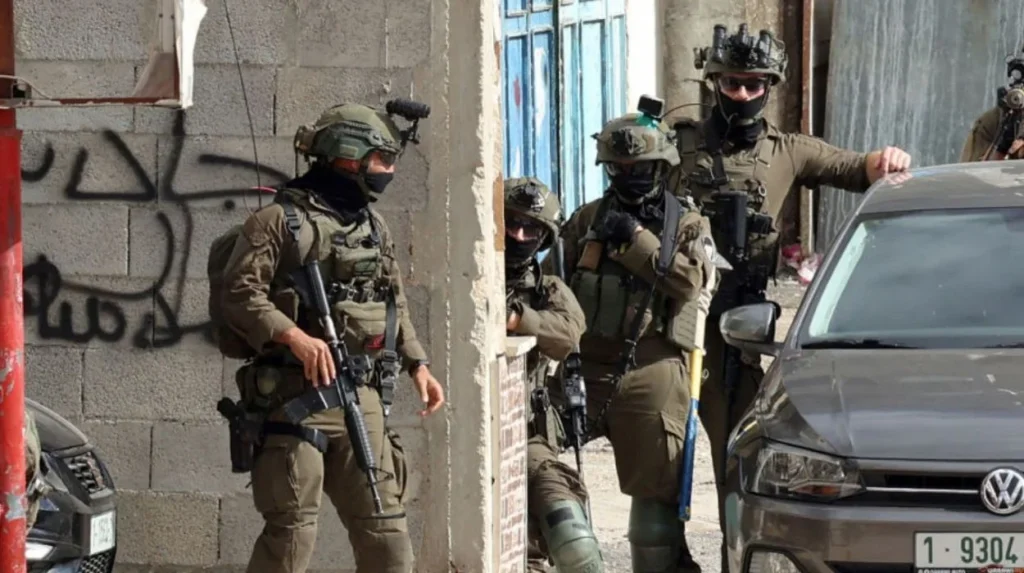
In addition to demolitions, Israeli forces have conducted raids across several West Bank localities, including during the start of Ramadan in February 2026. A video report by Al Jazeera said that troops carried out what it described as violent raids, detaining Palestinians and demolishing homes in multiple towns. The outlet reported that some families were left without shelter following overnight operations.
Palestinian news agency WAFA has also reported detentions in areas such as southern Hebron, citing local sources who described night-time incursions, searches and arrests by Israeli forces. Israeli official statements have generally framed such operations as security measures aimed at detaining suspects and preventing attacks, although detailed case information is not always publicly released.
Humanitarian organisations say the combination of arrests, property destruction and movement barriers is increasing the vulnerability of communities already facing restrictions on construction, land access and service provision. Field reports describe families temporarily relocating to relatives’ homes, rented accommodation or informal shelters after demolitions, often without clarity over long-term solutions. This information could not be independently verified.
Combined impact on Palestinian civilians
Humanitarian analysts note that the interplay between military activity, administrative measures and extreme weather is amplifying the impact on Palestinian civilians in both territories. In Gaza, repeated displacement, damaged infrastructure and limited access to building materials have left many residents in fragile structures that cannot withstand winter conditions, while in the West Bank, demolitions and raids are contributing to cumulative displacement and economic strain.
An ACAPS briefing on winter storms in Palestine highlighted how storms in early 2026 affected shelter, water and sanitation, and livelihoods, particularly in camps and informal settlements. The analysis warned that continued exposure to severe weather without reconstruction and adequate services could worsen health outcomes and deepen poverty.
UN officials and aid agencies have called for greater access for humanitarian assistance, protection of civilians and adherence to international humanitarian and human rights law by all parties. They have also urged support for urgent shelter and infrastructure repairs ahead of further weather events.
What happens next
Humanitarian organisations are expected to continue emergency interventions in Gaza, including pumping out floodwater, distributing shelter materials and attempting to repair damaged water and sanitation facilities where access allows. UN agencies are likely to maintain regular situation updates on both Gaza and the West Bank, tracking casualties, displacement, demolitions and the effects of winter storms.
In the West Bank, monitoring groups anticipate that demolitions and raids will remain a focus of international scrutiny, particularly if displacement figures continue to rise. Diplomats and rights bodies may press for limiting demolitions and improving humanitarian access, but the outlook for substantive policy change remains uncertain.