


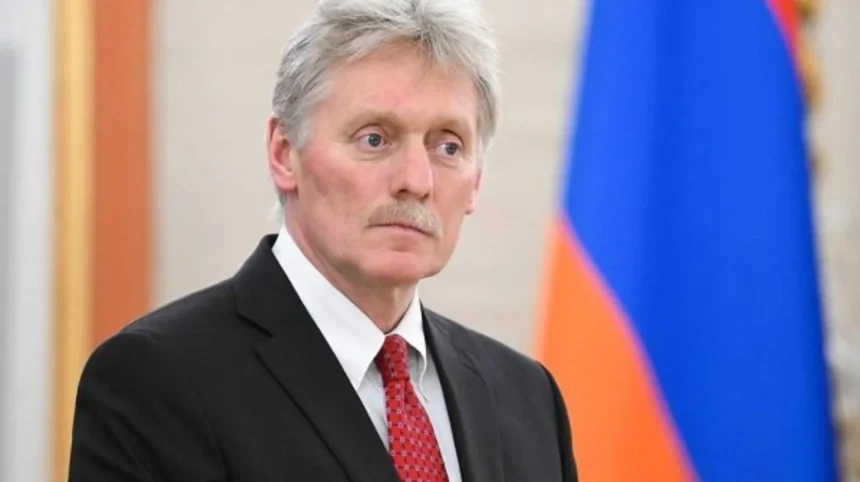
The Kremlin has confirmed that Russian officials do not intend to participate in the first meeting of the Board of Peace, which is scheduled to take place in Washington on February 19 under an initiative led by US President Donald Trump. As reported by Anadolu Agency, presidential spokesperson Dmitry Peskov said that “no one from the Kremlin is planning anything” regarding attendance at the gathering. Peskov added that the proposal for Russian participation is currently being examined by the Russian Foreign Ministry.
According to Anadolu Agency, the upcoming Washington meeting is expected to serve as both a leadership summit and a fundraising conference focused on reconstruction efforts in the Gaza Strip. The event is part of the broader Board of Peace framework, which has been promoted by the Trump administration as a new mechanism to support a peaceful settlement in Gaza and to mobilize international resources for post‑war rebuilding.
The Russian Foreign Ministry has previously described the wider peace initiative as a “positive development” for its emphasis on halting bloodshed and addressing humanitarian concerns in Gaza, while also stressing that further work is required to confront the deeper causes of instability in the region. Despite that generally cautious endorsement, the Kremlin’s latest comments make clear that Moscow will not be represented at the first Board of Peace session in Washington.
What are the broader reactions and context?
According to Anadolu Agency, the Board of Peace initiative has been taking shape over recent weeks through diplomatic activity around major international forums. On January 22, representatives from 19 countries signed the Charter of the Board of Peace on the sidelines of the World Economic Forum in Davos, Switzerland, formally establishing the body within the framework of attempts to achieve a peaceful settlement in Gaza.
Anadolu Agency reports that Washington has indicated additional states have since joined the initiative beyond the original signatories at Davos. The Board is designed to convene leaders and senior officials around both political discussions and financial commitments tied to Gaza’s reconstruction, signaling an effort to combine diplomatic engagement with concrete economic support.
In a related development, the press service of Belarusian President Alexander Lukashenko has confirmed that, although he received an invitation to the Washington meeting, he will not attend. This places Belarus alongside Russia among invitees who have chosen not to be present at the inaugural Board of Peace gathering, underscoring that participation is not universal even among countries directly approached by organizers.
Supporting details and diplomatic nuances
As reported by Anadolu Agency, the first Board of Peace meeting in Washington is expected to be held at the level of national leaders and top representatives invited by the Trump administration. The structure of the meeting, combining a high‑level summit with a fundraising agenda, reflects Washington’s attempt to position the Board as both a diplomatic forum and a mechanism for channeling reconstruction funds.
Within this framework, fundraising for the rebuilding of Gaza is set to be the central theme of the Washington session. According to Anadolu Agency, the initiative’s architects envision the Board of Peace as part of wider international efforts to end violence in Gaza and to respond to the territory’s severe humanitarian and infrastructural needs following prolonged conflict.
At the same time, Moscow’s stance highlights a cautious approach to joining new US‑led diplomatic formats. While the Russian Foreign Ministry has acknowledged positive elements in the focus on ending bloodshed and easing humanitarian suffering, its call for more work on the “root causes” signals that Russia is not prepared, at this stage, to endorse the process through direct participation in the Washington meeting.
What are the implications and what happens next?
The Kremlin’s decision not to send officials to the February 19 meeting means that the inaugural Board of Peace session will go ahead without direct Russian involvement, even as the initiative seeks broad international backing for Gaza’s reconstruction. According to Anadolu Agency, the absence of Russia and Belarus indicates that some key actors remain hesitant about the format or political framing of the Trump‑led effort.
Looking ahead, the Russian Foreign Ministry’s ongoing review of the proposal suggests that Moscow may continue to monitor the Board of Peace’s evolution and outcomes before deciding on any future engagement. The effectiveness of the Washington meeting—in terms of funds pledged, participation levels, and follow‑up mechanisms—could shape whether additional countries, including Russia, reassess their positions on joining subsequent sessions.
For now, Washington is expected to press ahead with the leadership‑level meeting and use it to showcase international commitments to Gaza’s reconstruction. As reported by Anadolu Agency, with 19 initial signatories to the Board’s charter and further states said to have joined, organizers aim to project momentum behind a new multilateral channel focused on both peace efforts and humanitarian rebuilding in the Gaza Strip.
In summary, the Kremlin has publicly ruled out attending the first Washington Peace Council meeting while keeping the broader initiative under review, even as the United States prepares to host leaders for a summit and fundraising event centered on Gaza’s reconstruction under the newly formed Board of Peace.