


According to an explainer published by The Jerusalem Post, Israeli prosecutors have detailed what they describe as an “organized, systematic, and sophisticated smuggling operation” that moved high-value goods into the Gaza Strip during wartime. The case centers on an indictment filed by the Southern District Attorney’s Office against a group of Israeli suspects and alleged accomplices. Authorities allege the operation generated millions of shekels in profits while strengthening Hamas economically.
As reported in the Jerusalem Post explainer, the indictment focuses on smuggling activity that took place primarily in the summer and autumn of 2025, while Israel Defense Forces (IDF) operations in Gaza were ongoing and even after a ceasefire was declared. Prosecutors say the smuggling continued while hostages taken on October 7, 2023 were still being held in the enclave. The case is part of a broader set of investigations into networks accused of exploiting the conflict and humanitarian arrangements.
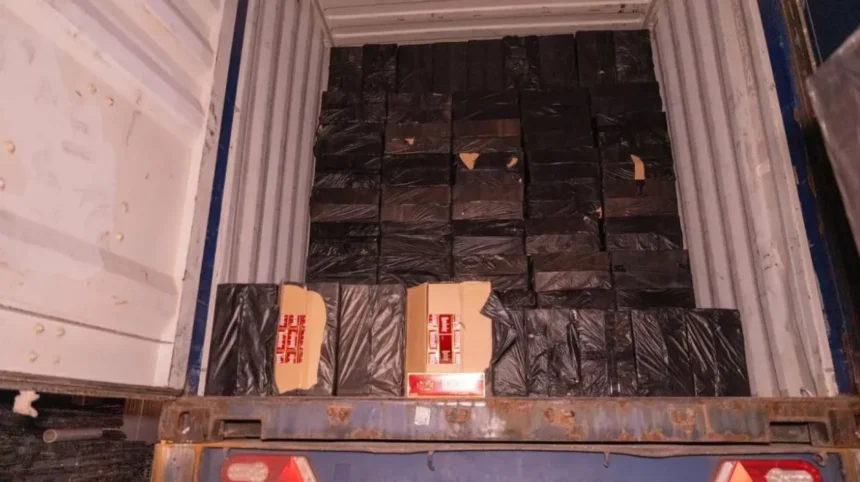
According to the report, the goods allegedly smuggled included large quantities of cigarettes and tobacco, as well as smartphones and other electronics, and some medical equipment. These items are said to have been moved through official crossings and into Gaza, where tobacco and cigarettes in particular command high prices. Prosecutors argue that the operation not only enriched those involved but also bolstered Hamas by providing lucrative products and critical equipment.
The Jerusalem Post article notes that the alleged smuggling took place under the cover of legitimate movement into Gaza, including security-related activity and humanitarian logistics. Prosecutors contend the defendants manipulated these channels to move prohibited goods. The case, as laid out in the explainer, illustrates how smuggling networks allegedly adapted to wartime conditions and the “new reality on the ground” created by ceasefire and aid arrangements.
How Was the Smuggling Network Allegedly Organized?
The Jerusalem Post explainer states that, according to the Southern District Attorney’s Office, the smuggling network was structured and coordinated, involving multiple actors who each played defined roles. Prosecutors describe a system in which some suspects handled procurement and logistics on the Israeli side, while others managed transport into Gaza and distribution once the goods crossed the border. The indictment portrays the group as motivated by financial gain, while aware that their activities could aid Hamas.
According to the article, a key feature of the alleged scheme was the use of false representations at military crossings. Defendants or their associates are accused of presenting themselves as engaged in security or related official work to gain entry to Gaza. Once past inspections, the goods were allegedly delivered to prearranged meeting points inside the Strip, where they were repackaged and concealed for further transport.
The Jerusalem Post report explains that the indictment details several specific smuggling runs. In one example, prosecutors allege that between August and September 2025, several defendants together smuggled 26 cartons of cigarettes into Gaza in exchange for roughly 3.9 million shekels. In subsequent operations, the group is said to have moved additional quantities of tobacco, about 100 iPhones and other mobile phones, as well as medical supplies, with each run valued in the hundreds of thousands of shekels.
According to the explainer, the alleged routes relied on camouflage methods that included the use of military-style clothing and vehicles that appeared to be associated with IDF or security activity. The indictment claims that once inside Gaza, the goods were transferred along prearranged routes and distributed through commercial networks that could sell them at a premium. Prosecutors argue that this process turned war conditions and humanitarian access into an opportunity for profit and for strengthening Hamas’s economic resources.
What Reactions and Concerns Has the Case Triggered?
How Have Israeli Authorities Responded?
The Jerusalem Post article notes that Israeli law enforcement, the Shin Bet (Israel Security Agency), and the Southern District Attorney’s Office view the alleged smuggling as a serious security breach. In a joint statement referenced in the explainer, police and Shin Bet say the suspects exploited both the ceasefire and the large-scale entry of humanitarian aid into Gaza to move goods that were prohibited from entering the enclave. Authorities describe the affair as part of a wider pattern of efforts to establish smuggling routes from Israel into Gaza.
According to the report, investigators allege that dozens of individuals are connected to the broader smuggling network, including Israeli citizens and residents of the West Bank and Gaza. Officials say some of those involved “turned a blind eye” to the impact of their actions, which prosecutors claim directly contributed to strengthening terror organizations in Gaza, especially Hamas. The case has prompted internal scrutiny of security procedures at crossings such as Kerem Shalom.
What Do Prosecutors Say About Hamas’s Involvement?
The explainer reports that prosecutors do not accuse the defendants of ideological support for Hamas but argue that they knowingly enabled the group economically. The indictment alleges the suspects understood that the smuggled goods, particularly high-demand items like tobacco and smartphones, were likely to end up in the hands of Hamas or be taxed and controlled by it. By generating large profits in a constrained wartime market, the operation is said to have reinforced Hamas’s financial base.
The article notes that prosecutors frame the case as an example of how criminal profit-seeking can intersect with security threats. They claim that even goods that appear civilian or commercial in nature, such as cigarettes, can become strategic assets in a blockaded territory where scarcity drives up prices. This, they argue, can translate into increased financial resources for armed groups, with implications for Israel’s broader security environment.
Supporting Details
Indictments and Financial Scale
According to The Jerusalem Post’s reporting on related court filings, indictments have been issued against multiple suspects accused of aiding the enemy, accepting bribes, and participating in a prohibited wartime smuggling scheme. The sums described in the indictment reach into the millions of shekels, reflecting repeated runs rather than a single shipment. Prosecutors detail separate operations in late August and early September 2025, late September and early October, and late October, each involving different combinations of cigarettes, phones, and medical supplies.
The explainer highlights that in one sequence, defendants allegedly transported around 26 cartons of cigarettes for approximately 3.9 million shekels, followed by another run involving 13 cartons valued at about 500,000 shekels. Later operations reportedly combined 40 cartons of cigarettes, about 100 mobile phones, and medical supplies, with a total value of roughly 900,000 shekels in a single day. These figures, prosecutors say, illustrate both the profitability and the scale of the network’s activity.
Methods Used to Evade Detection
The Jerusalem Post article details how the suspects allegedly tried to evade detection by integrating their movements into existing flows of people and goods entering Gaza. The indictment claims the group used vehicles, documentation, and appearances that suggested official or security-related purposes. At crossing points, they allegedly presented false reasons for entry, relying on the complexity and volume of wartime movements to mask the smuggling.
According to the explainer, once inside Gaza, the goods were transferred to intermediaries who handled repackaging and concealment. The article notes that authorities believe the operation depended on a mix of insider knowledge about procedures at crossings, local contacts in Gaza, and commercial networks accustomed to operating under blockade conditions. The case has raised questions among Israeli officials about the vulnerabilities of crossing management and inspection regimes.
What Are the Implications and Next Steps?
How Might This Affect Gaza Border Controls?
The Jerusalem Post report indicates that Israeli security bodies, including the IDF Southern Command and Shin Bet, are reassessing security at Gaza crossings in light of the smuggling case. Officials view Hamas’s need for equipment and revenue as a driver for attempts to recruit collaborators and exploit loopholes in crossing procedures. In response, the IDF and other agencies are expected to tighten oversight of personnel, contractors, and transport connected to the border area.
According to related reporting cited in the explainer, Israeli authorities are also examining whether similar schemes may have operated in parallel or earlier in the conflict. Investigations into the removal of weapons from IDF storage sites, as well as other smuggling attempts, are ongoing. The outcome of these probes could lead to new protocols for escorting humanitarian convoys, screening trucks, and monitoring individuals with access to sensitive zones around Gaza.
What Legal and Political Outcomes Are Anticipated?
The Jerusalem Post article explains that the indicted suspects now face serious charges, including aiding the enemy in wartime and corruption-related offenses. If convicted, they could receive substantial prison sentences and financial penalties. The case is likely to be closely followed in Israel, both for its security implications and for what it reveals about internal vulnerabilities during the Gaza war and its aftermath.
Prosecutors, according to the explainer, intend to use the case to send a deterrent message against attempts to profit from wartime conditions in ways that may support hostile organizations. The proceedings are also expected to inform future policy debates about how to balance humanitarian access to Gaza with strict security controls. As the legal process unfolds, Israeli authorities are expected to continue examining additional suspects and potential networks linked to smuggling into the enclave.
In sum, the Jerusalem Post’s explainer describes a case in which Israeli prosecutors allege a large, structured smuggling network moved millions of shekels’ worth of cigarettes, electronics, and other goods into Gaza during war and ceasefire periods. The operation, described as “systematic” and “sophisticated,” is said to have exploited border crossings and humanitarian arrangements, raising broader questions about border security, economic leverage in Gaza, and the intersection of criminal activity with national security.