


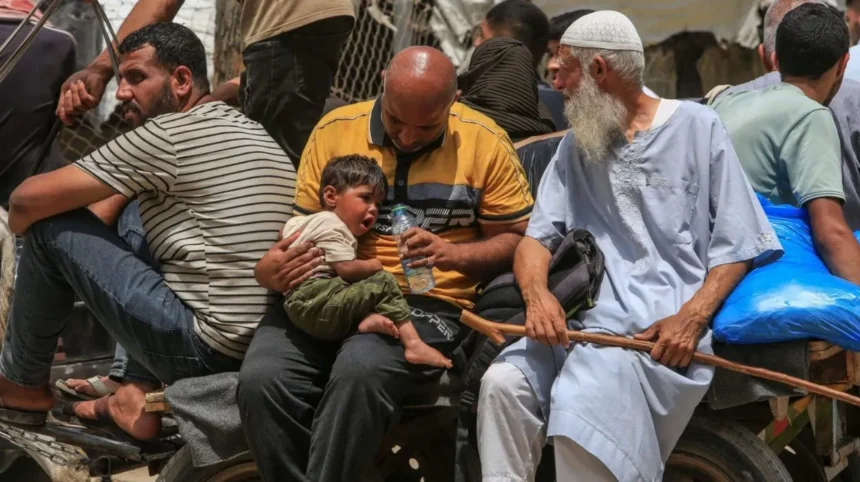
A new report by HelpAge International warns that older people in Gaza are facing an acute and often overlooked humanitarian emergency as conflict, repeated displacement and the collapse of basic services intensify their vulnerability. According to HelpAge International, the findings draw on surveys with 416 older people across four governorates in Gaza, offering rare quantitative and qualitative evidence about their lives during the ongoing crisis.
The organization reports that older people are struggling to meet essential needs including food, safe shelter, and medical care, while widespread destruction and insecurity have severely disrupted support networks that many relied on before the escalation in violence. HelpAge International notes that despite the scale of the crisis for older people, humanitarian responses in Gaza often fail to systematically consider their specific needs, capacities, and protection risks.
HelpAge International states that the research focuses on nutritional status, existing health conditions, access to services, functional ability, and experiences of displacement and humanitarian assistance among older people. The report concludes that older people in Gaza are “invisible in plain sight” within humanitarian planning and calls for urgent, targeted measures to ensure they are not left behind in the response.
What does the new reporting say about conditions and reactions?
HelpAge International reports that many older people surveyed described severe difficulties in accessing sufficient food, with disrupted supply chains and rising prices exacerbating pre‑existing poverty. The organization notes that a significant share of respondents reported reducing the quantity or quality of their meals, with some skipping meals altogether due to lack of resources and constrained humanitarian assistance.
According to HelpAge International, older people in Gaza are also living with high rates of chronic conditions such as hypertension, diabetes, and heart disease, yet face mounting barriers to maintaining treatment. The report highlights that damaged health facilities, lack of medicines, and insecurity make it increasingly difficult for older people to reach care, particularly for those with mobility challenges or disabilities.
HelpAge International further reports that repeated displacement has forced many older people to move multiple times, often to overcrowded and unsafe shelters that lack privacy, adequate sanitation, and age‑friendly infrastructure. The organization notes that older people described relying heavily on family or neighbors for physical support and decision‑making, while at the same time expressing fear of being a burden on relatives who are themselves under intense pressure.
The report states that older women in particular face compounded risks due to gender roles, caregiving responsibilities, and social norms that can limit their access to public spaces, information, and assistance. HelpAge International also notes that older people frequently reported feelings of isolation, anxiety, and distress, as the prolonged crisis erodes their sense of security and connection to their communities.
Supporting details and expert concerns
HelpAge International explains that the survey examined functional ability, including mobility, self‑care, and participation in daily activities, to assess how older people are managing amid widespread destruction and limited services. The findings indicate that many older respondents have difficulty walking long distances, standing in queues, or carrying heavy items, which directly affects their ability to access distributions, health care, and safe water.
The organization stresses that standard humanitarian delivery models relying on long waits, complex registration procedures, or travel to distant sites can unintentionally exclude older people with limited mobility or sensory impairments. HelpAge International underscores that without tailored approaches—such as home‑based outreach, adapted communication, and age‑friendly distribution points—older people risk being systematically overlooked in aid operations.
According to HelpAge International, a number of older people surveyed reported that they had not been consulted about their needs or priorities by humanitarian actors. The report notes that older people emphasized the importance of dignity, safety, and continuity of care, calling for support that enables them to maintain a degree of independence and remain close to family when possible.
HelpAge International argues that the experiences captured in the report challenge stereotypes that portray older people only as passive recipients of aid. The organization notes that many older respondents described continuing to provide emotional support, caregiving, and guidance within families and communities, even while confronting their own profound losses and health challenges.
What are the implications and what could happen next?
HelpAge International concludes that the situation facing older people in Gaza has significant implications for how humanitarian responses are designed and implemented in protracted crises. The organization calls for humanitarian agencies, donors, and authorities to systematically integrate the needs and rights of older people into assessments, planning, and monitoring, rather than treating them as an afterthought.
According to HelpAge International, priority actions include ensuring consistent access to age‑appropriate health care, including medicines for chronic diseases, and adapting food assistance to meet older people’s nutritional requirements. The report also recommends making shelters, sanitation facilities, and distribution sites physically accessible and safe for older people, with particular attention to those with disabilities or limited mobility.
The organization emphasizes that collecting disaggregated data on age, gender, and disability is essential to identify and respond to the most at‑risk groups among older people. HelpAge International also urges greater involvement of older people themselves in decision‑making about humanitarian programs, so that interventions reflect their lived realities and preferences.
HelpAge International states that if these changes are not made, older people in Gaza are likely to remain “invisible” in humanitarian strategies, with their health worsening and their resilience further eroded as the crisis continues. The report’s authors argue that addressing the urgent needs of older people is not only a matter of protection and health, but also of upholding fundamental rights and ensuring that no segment of the population is left behind in the response.
In sum, HelpAge International’s report portrays a critical yet under‑recognized emergency for older people in Gaza, shaped by conflict, repeated displacement, and collapsing services. The organization’s findings and recommendations seek to prompt a more inclusive, age‑sensitive humanitarian response that acknowledges older people as rights‑holders and active members of their communities amid ongoing crisis.