


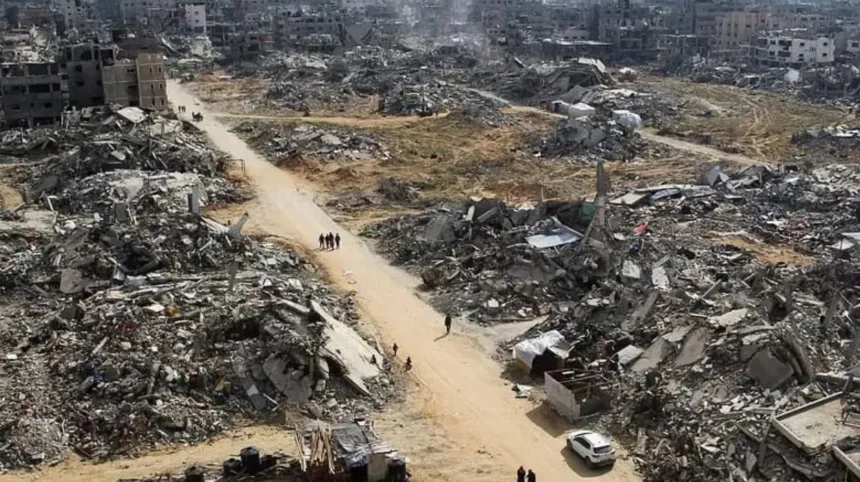
According to The Siasat Daily, citing a detailed report by Reuters, staff at the United States Agency for International Development (USAID) warned early in 2024 that northern Gaza had become an “apocalyptic wasteland,” but a key internal cable carrying those descriptions was blocked from wide circulation within the US government. The draft message, based on a United Nations humanitarian fact-finding mission in January and February 2024, described scenes of human bones on roads, bodies in abandoned cars, and “catastrophic” shortages of food and safe water. The report says then‑US ambassador to Israel Jack Lew and his deputy Stephanie Hallett prevented the memo from being distributed more broadly, arguing that it lacked balance.
As reported by The Siasat Daily, summarizing Reuters’ findings, the cable was one of five messages prepared in the first half of 2024 documenting rapidly deteriorating health, food and sanitation conditions in Gaza and the breakdown of social order. Three former US officials told Reuters the language was unusually graphic and likely would have drawn the attention of senior officials if fully shared. They also said the memo could have intensified criticism of President Joe Biden’s National Security Memorandum, which governed continued US weapons and intelligence support to Israel while assessing Israel’s adherence to international law.
According to the article, the US embassy in Jerusalem oversaw most diplomatic cables related to Gaza, including those coordinated with other countries. Andrew Hall, then a crisis operations specialist for USAID, is quoted as saying that such cables, while not the only channel for humanitarian information, would have represented an official acknowledgment by the ambassador of the gravity of conditions in Gaza. The blocked memo thus became a focal point in internal debates about how clearly the administration should recognize and document the humanitarian crisis.
How Did US Officials React to the Gaza Warnings?
The Siasat Daily reports that, even as some cables were slowed or blocked, top US officials, including at the White House, were aware of the worsening situation in Gaza through the National Security Council and briefings from aid organizations warning of famine risks. In February 2024, Biden publicly stated that “a lot of innocent people” in Gaza were “starving” and “dying” and said Israel’s actions were “over the top,” reflecting concern at the highest level about humanitarian conditions. However, former officials told Reuters that humanitarian expertise within the government was often “sidelined, blocked, ignored.”
According to the report, the embassy in January 2024 did approve wider circulation of another internal message on Gaza’s food insecurity, which rose to the President’s Daily Brief, the top-tier compilation of national security information. That cable warned of famine risks in northern Gaza and “acute food insecurity” in other areas due to insufficient deliveries. Deputy national security adviser Jon Finer, who received the cable, reportedly told colleagues he was astonished by how rapidly the food situation had deteriorated.
The article notes that internal tensions grew as some White House officials questioned USAID analyses suggesting civilians were starving in Gaza. Former officials said deputy ambassador Stephanie Hallett sometimes requested edits or reframing of cables and challenged whether certain messages were necessary. This skepticism, according to the report, contributed to frustration among USAID staff who believed their on‑the‑ground humanitarian assessments were not being fully reflected in high‑level policy discussions.
Supporting Details and Background
As reported by The Siasat Daily, USAID has not had staff based in Gaza since 2019, so its reporting for 2023–2024 relied heavily on UN agencies and other humanitarian partners. The January–February 2024 UN fact‑finding missions that underpinned the blocked cable described stark scenes of destruction and extreme deprivation in northern Gaza, forming some of the earliest intensive US government–linked accounts of conditions inside the enclave during the war. These reports highlighted not only food scarcity but also collapsing sanitation and health systems.
The article states that the February cable, which contained the “apocalyptic wasteland” language, was cleared internally within USAID before being halted at the embassy level. Former officials quoted in the Reuters report say Hallett would not have blocked its wider circulation without the knowledge or approval of Ambassador Lew, since only one senior sign‑off was required. The embassy’s role meant its decisions effectively filtered what level of detail about Gaza’s humanitarian crisis reached the broader interagency system.
According to The Siasat Daily, at least six former US officials told Reuters that senior decision‑makers were not receiving consistent first‑hand accounts from Gaza due to restricted access during intense military operations. One former member of USAID’s Middle East disaster response team is quoted as saying humanitarian experts were repeatedly sidelined. Another former official recalled colleagues challenging descriptions of starvation by asking, “where are all the skinny kids?”, illustrating skepticism that, critics argue, may have delayed recognition of the full severity of the crisis.
What Are the Implications and What Happens Next?
The Siasat Daily’s report, reflecting Reuters’ investigation, suggests that internal bottlenecks in sharing humanitarian cables may have affected how quickly and clearly senior US officials perceived the scale of the Gaza crisis, potentially influencing policy debates on arms transfers and pressure on Israel over its conduct. The blocked “apocalyptic wasteland” memo has become emblematic of broader concerns that critical humanitarian assessments did not always reach the highest levels in unfiltered form. This could prompt future scrutiny of how the US government manages and escalates field reporting during major conflicts.
According to former officials cited in the article, the tensions between USAID analysts, embassy officials, and parts of the White House over how to characterize Gaza’s conditions created visible strain inside the National Security Council system. Those accounts may fuel calls for reforms to ensure humanitarian experts have a more direct line into national security decision‑making, especially where US policy involves extensive military support to a partner state. Questions may also persist over how internal debates shaped the implementation of Biden’s National Security Memorandum on Israel and international law.
Looking ahead, the report underscores that US humanitarian reporting on Gaza remains heavily dependent on UN and partner organizations as long as USAID staff are absent from the enclave. Any future changes in access, diplomatic policy or internal cable procedures could affect how quickly warnings about crises are elevated within the US government. The controversy over the blocked “apocalyptic wasteland” cable is likely to continue informing discussions about transparency, accountability and the role of humanitarian expertise in shaping US responses to conflicts such as the Gaza war.