


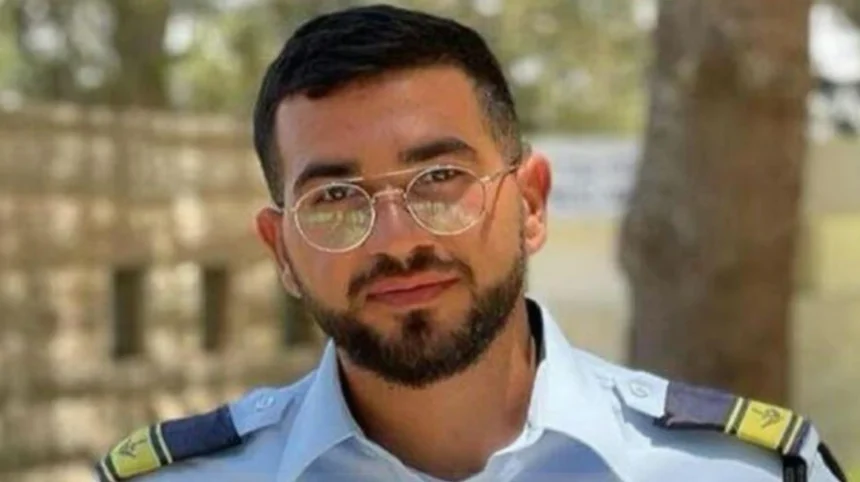
As reported by an unnamed correspondent for Reuters, the Israel Defense Forces (IDF) announced on Monday that they had recovered the remains of Ran Gvili, the last remaining hostage held in Gaza after the October 7, 2023 Hamas-led attacks on southern Israel. According to Reuters, the military said Gvili’s body was located and retrieved in Gaza following a specific search operation centered on a cemetery area. Israeli authorities confirmed his identity and notified his family before the remains were transferred to Israel for burial.
According to Euronews, Gvili was a 24‑year‑old Israeli police officer who was killed during the initial Hamas assault and then taken into Gaza. Israel had long listed him as among the hostages whose fate was tied to ceasefire talks and recovery efforts in the enclave. The operation to find his body followed a broader deal in which Hamas agreed to release or return all remaining hostages, both alive and dead, as part of a phased ceasefire framework.
As reported by CNN, the IDF said the recovery of Gvili’s body marks the first time since 2014 that no Israeli hostages remain in Gaza. Israeli officials described the operation as the culmination of months of military, intelligence, and diplomatic efforts. The announcement also fulfills a key condition in the initial phase of a plan backed by the United States to move the Gaza conflict toward a negotiated end.
How are Israeli leaders and others reacting?
According to Euronews, Israeli Prime Minister Benjamin Netanyahu called the recovery of Gvili’s remains “an incredible achievement” for Israel and its soldiers. He was quoted as saying that he had promised to bring “everyone home” and that with Gvili’s return, that promise had been fulfilled in terms of hostages held in Gaza. The prime minister’s remarks underscored how hostage recovery has become a central political and emotional issue inside Israel since October 2023.
As reported by CBC, Gvili’s family had urged the government not to proceed to the second phase of the ceasefire arrangement until his remains were found and brought back. The family’s position added pressure on Israeli leaders as they weighed military operations in Gaza against obligations under the ceasefire deal. The recovery has now removed what officials described as a significant emotional and diplomatic barrier to moving forward.
According to CNN, Hamas has portrayed the return of Gvili’s body as evidence of its compliance with the first phase of the ceasefire agreement. The group has publicly insisted that it provided all information it had on the final hostage, while Israeli officials had previously accused Hamas of delaying or withholding details. The differing narratives highlight ongoing mistrust between the parties even as they implement elements of the accord.
Supporting details and background
As reported by CBC, at the time of the October 2025 ceasefire agreement between Israel and Hamas, 48 hostages remained in Gaza, with 28 believed to be dead. The deal set out a staged process in which living hostages would be released and the bodies of deceased captives returned. According to CNN, the last 20 living hostages were freed in mid‑October, leaving only the effort to locate and recover Gvili’s remains.
According to Reuters, the operation that led to the discovery of Gvili’s body involved a large‑scale search in a cemetery in northern or central Gaza, described by the military as being near an internal demarcation known as the “Yellow Line.” The IDF said the search drew on intelligence and analysis gathered during months of military activity in the strip. Once remains believed to be Gvili’s were located, forensic identification procedures were carried out before the public announcement.
As reported by The New York Times, Israeli officials said that with Gvili’s recovery, the country has now brought back all hostages who were taken into Gaza during the October 7 attacks, whether alive or dead. The military stated that this milestone closes a painful chapter for many affected families, although broader questions about accountability and the overall conduct of the war remain. Analysts cited by major outlets noted that the hostage issue has had significant influence on Israeli public opinion, protest movements, and coalition politics.
What are the implications and what happens next?
According to Reuters, the recovery of the final hostage’s remains clears the way for Israel to move into the next phase of a U.S.-supported plan to wind down the Gaza conflict. A key element involves steps toward reopening major crossings, including Rafah on the border with Egypt, which serves as Gaza’s main link to the outside world. Israeli officials have indicated that progress on crossings and humanitarian access is tied to security assessments and the completion of outstanding hostage‑related obligations.
As reported by Euronews and CBC, the ceasefire framework envisions further stages that could include more sustained pauses in fighting, expanded humanitarian deliveries, and negotiations on longer‑term security arrangements for Gaza. With the hostage chapter formally concluded, Israeli and international diplomats are expected to intensify talks on these next steps. However, both Israeli leadership and Hamas have signaled that full implementation will depend on continued adherence to the agreement’s terms and the evolving security situation on the ground.
According to CNN, Hamas has urged Israel to fully implement all aspects of the ceasefire without “reductions or delays,” framing the hostage returns as a test of mutual compliance. Israeli officials, meanwhile, have emphasized their intention to maintain the capacity to respond to any renewed attacks or violations. International actors, including the United States and regional mediators, are likely to continue pressing both sides to translate the current momentum into more durable arrangements.
The recovery of Ran Gvili’s body closes a deeply emotional chapter for Israelis who have followed the fate of hostages taken during the October 7 attacks, while also unlocking the next stage of a fragile ceasefire process in Gaza. It provides a measure of closure to Gvili’s family and to other affected families, even as broader political, security, and humanitarian challenges in the Israel‑Gaza conflict remain unresolved.